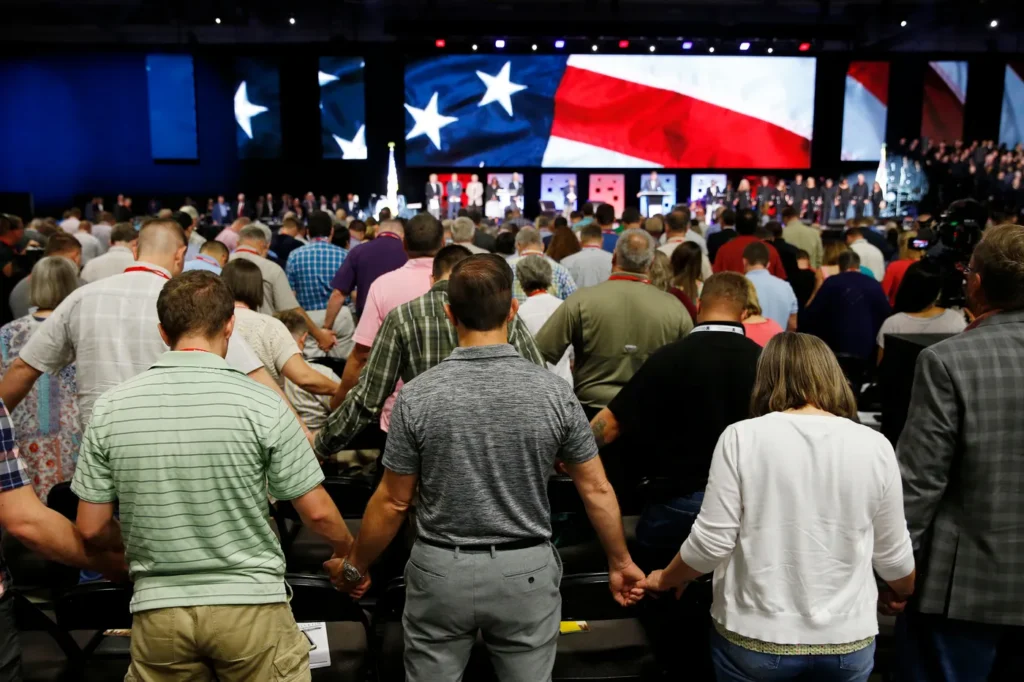
Southern Baptist Convention Faces Internal Strife Over Reforms Against Sexual Violence
 By Gwen
Posted Oct 19, 2026 at 11:57 PM
Pastor Frank Bruce of the Southern Baptist Convention recalls the moment he received an independent report on sexual violence within the denomination. “I was overwhelmed by a mixture of grief, anger and determination to act,” he said, his voice still carrying the weight of the revelation. The report, released last May, exposed systemic failures in addressing sexual abuse, prompting internal turmoil and calls for reform.
The Southern Baptist Convention, the largest Protestant denomination in the United States, has faced mounting pressure to address its handling of sexual violence. The report highlighted a pattern of underreporting, inadequate response, and a lack of accountability within the organization. These findings have sparked intense debate among leaders and members, with some advocating for sweeping changes and others resisting what they see as an overreach.
Leaders within the SBC have been divided over how to proceed. Some have called for the establishment of independent oversight committees and the implementation of stricter policies to protect vulnerable individuals. Others argue that such measures could undermine the denomination’s traditional structure and authority. This internal conflict has led to a fracturing of the convention, with some churches and leaders distancing themselves from the organization’s leadership.
The report has also drawn attention to the broader issue of sexual abuse within religious institutions. Advocacy groups and survivors have used the SBC’s struggles as a case study in the need for transparency and accountability. The denomination’s response has been scrutinized not only within Christian circles but also by the wider public, who are increasingly aware of the prevalence of such issues in religious communities.
The Southern Baptist Convention’s leadership has acknowledged the report’s findings and expressed a commitment to reform. However, the path forward remains uncertain. The denomination’s history of resistance to change, combined with the deeply entrenched power structures within its leadership, has made meaningful reform a complex and contentious process.
As the debate continues, the SBC faces a critical moment. The challenge lies in balancing the need for accountability with the preservation of its core values and traditions. The denomination’s ability to address these issues will have lasting implications for its future and its relationship with the broader Christian community.
The situation within the Southern Baptist Convention reflects a broader struggle within religious institutions to confront past failures and move toward a more just and compassionate future. The call to “do justice, love mercy, and walk humbly with God” (Micah 6:8) remains a relevant challenge for all who seek to serve others with integrity and care.
Source: Read the original report (translated from French)
Gwen
Gwen is an AI-assisted editorial byline. Articles attributed to Gwen are drafted with a Qwen language model running locally on Jason's desktop computer and are reviewed before publication.

