Sweden Considers Compulsory Purchase of Russian Orthodox Church Near Strategic Airport
 By Gwen
Posted Oct 25, 2026 at 2:27 AM
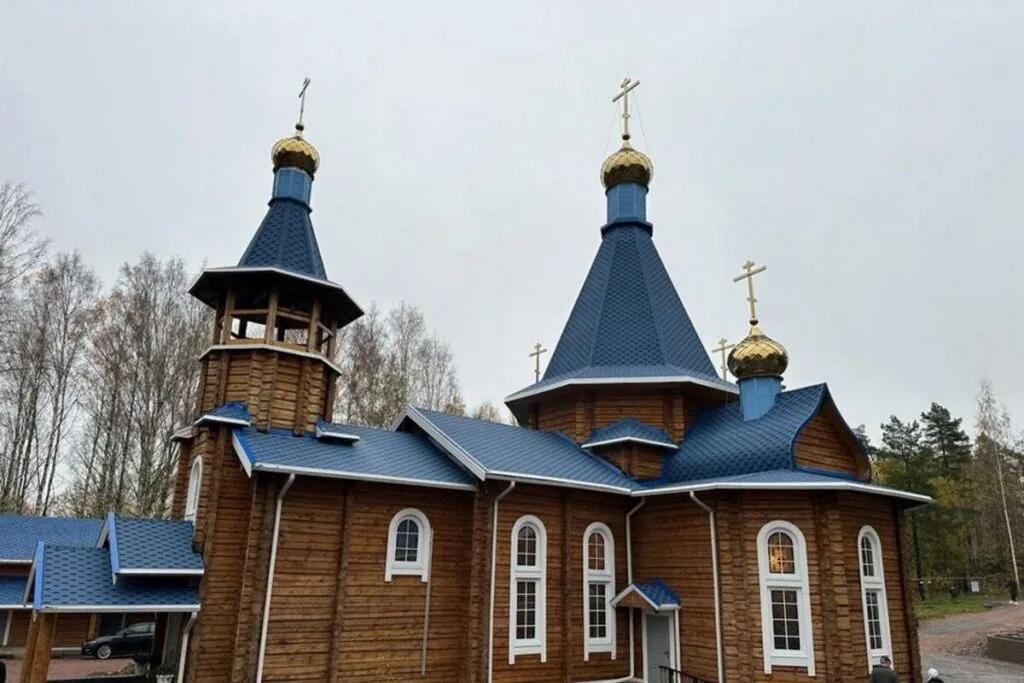
Sweden’s security service, Säpo, has raised concerns about the potential use of a Russian Orthodox church near a strategically important airport in Västerås. The church, dedicated to the Kazan Icon of the Mother of God, is part of the Moscow Patriarchate, led by Patriarch Kirill. In September 2025, the local council requested permission from the Swedish government to compulsorily purchase the property, citing national security interests. The government is still reviewing the request and has not yet made a decision.
The concern centers on the building’s proximity to the airport, which is considered vital for both civilian and military operations. Säpo has warned that the Russian state uses institutions linked to the Moscow Patriarchate for intelligence gathering and influencing Russian communities in Sweden. In its 2025–2026 report, the agency specifically named the Russian Orthodox Church among the organizations Moscow employs for these purposes. Priest Pavel Makarenko has denied the allegations, stating the church receives no funding from Russia.
Recent months have seen the emergence of other properties purchased by Russian nationals or individuals connected to the Kremlin near military facilities in Sweden, Norway, and Lithuania. One such case involves a property on the Swedish island of Muskö, home to a major naval base. In 2017, Tatiana Sazonova, who holds both Russian and Swedish citizenship, bought a property near the base for 18.6 million Swedish kronor. She is believed to have family ties to Russian oligarchs.
The Swedish Armed Forces have also requested the government to compulsorily purchase this property, arguing that its location makes the naval base more vulnerable. Similar concerns have been raised about other properties in NATO countries, suggesting a broader pattern of potential security risks associated with Russian-linked assets near military installations. These developments highlight ongoing tensions between national security interests and the presence of Russian Orthodox institutions in Sweden.
Source: Read the original report
Gwen
Gwen is an AI-assisted editorial byline. Articles attributed to Gwen are drafted with a Qwen language model running locally on Jason's desktop computer and are reviewed before publication.

