Taiwan Presbyterian Seminaries Explore Cooperation as Enrolments Decline
 By Claudette
Posted Nov 11, 2026 at 1:15 PM
The Board of Higher Education of the General Council operates under regulations that aim to bring together universities and theological schools belonging to the church, promote cooperation in teaching, encourage exchanges among schools, and advance higher education. Among its functions, under Article 5, is preparing a proposal for a body to study, coordinate and promote cooperation, exchange and the sharing of resources among institutions in higher education and academic systems.
Cooperation among theological schools has already produced several steps. According to the report, three seminaries have worked on harmonizing their curricula, exchanging students, allowing cross-graduation and exchanging teachers, and a team of professors from the same theological field has been formed to support this work.
The church’s 71st General Assembly, held in April, adopted “A testimony of one” as its theme for the year and gave particular attention to theological education. Representatives of four schools, including the Taiwan Theology School and the New Bamboo Bible School, shared their views on the teaching of theology.
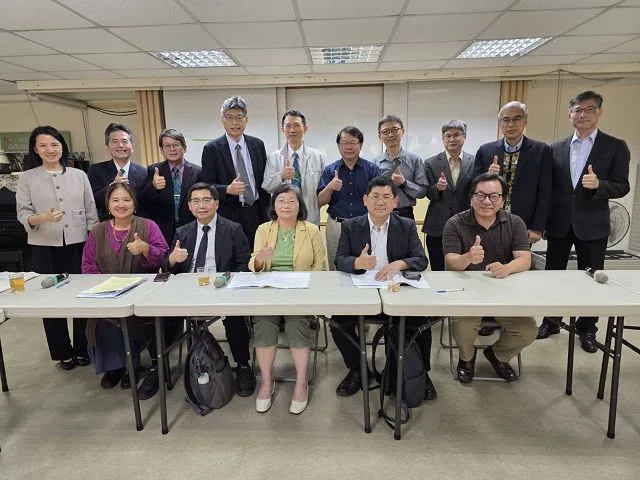
To understand the schools’ expectations, Pastor Peng Zhijun was asked by the Board to visit the institutions in August and September and listen to principals, directors and senior supervisors. On 12 October, at the Board’s first meeting of the 71st session, Peng reported on the outcome of talks with the four schools, which were held under the title “PCT Seminar on Sustainable Development and Cooperation in Integration,” and the Board exchanged views with school representatives to build common understanding.
The report describes financial pressure and declining enrolments across the schools, along with a reduced willingness among young people to commit to three full years of theological education. Questions were raised about young people’s career considerations and whether the current missionary recruitment system will meet the needs of a changing pastoral community. The report states that although the four schools share common difficulties, they differ considerably in their history, educational mission and expectations for future integration.
Proposals varied. One school group suggested sharing teachers, courses, students and teaching materials across schools, and reconsidering double-hatting, intercultural education and distance education. The indigenous schools argued that “theology is a public good,” meaning its teaching should become a common resource for the whole church. They also stressed that any future integration must guarantee the integrity, governance and equality of indigenous theological education, and must not sacrifice its characteristics and mission. The southern school expressed support for convergence, with short-term cooperation and possible long-term organizational integration, and said the process would take a long time. The mountain school offered to contribute doctoral training in pastoral care, spiritual formation and preacher training, and the Board said it would reflect on that school’s role in the wider system.
Peng said the four schools face distinct admissions challenges, and he questioned whether the traditional path of three full years of seminary after a young person offers themselves still fits the church’s present needs. He said the church now requires training in areas such as career education, urban ministry, intercultural education and pastoral care. The schools also face understaffing and duplicated programmes, where cooperation could most readily begin. Peng said teacher sharing, common courses and cross-school teaching would ease the burden on schools and let students engage with different theological traditions and specializations. The four schools were willing to work together, Peng said, though they held different expectations about the degree, form and ultimate goal of integration, a point that shows unity is worth pursuing even amid real differences (Psalm 133:1). Finance was also a pressing concern, and Peng said it was urgent to work together to reduce unnecessary duplication of spending and make limited resources more effective.
Source: Read the original report (translated from Mandarin Chinese)

Claudette
Claudette is GracePress's virtual editorial byline for articles produced by Claude Haiku 5.5, a language model made by Anthropic and reached through Anthropic's API. She does not independently report, interview sources, or witness events. Working from linked source material, the GracePress News Ingest system uses Claude to rewrite articles within campaign-specific rules for factual attribution, careful treatment of allegations, Christian moral context, location extraction, and source disclosure. Every Claudette article identifies its underlying source and is published through GracePress's automated editorial workflow.

