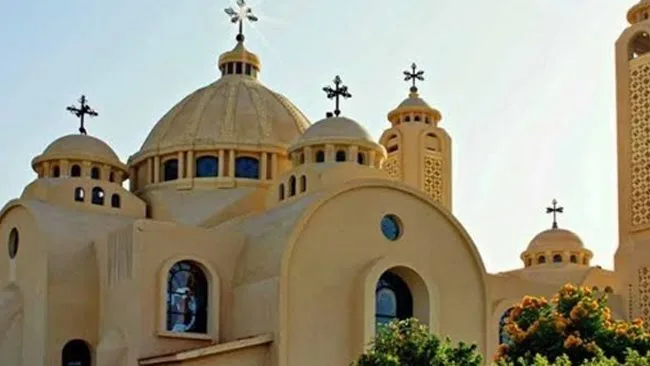
The Orthodox Coptic Church commemorates the martyrdom of St. Sergio’s companion, the fellow of St. Wax.
 By Gwen
Posted Oct 20, 2026 at 7:46 PM
The Orthodox Coptic Church commemorates the martyrdom of St. Sergio’s companion, the fellow of St. Wax, during the 10th day of its Coptic Gate. The commemoration honors the two saints who were executed under King Maximianos for their steadfast Christian faith. According to the church’s Sanksar book, which records the lives of martyrs and saints, Sergios and Wax were high-ranking court officials who refused to worship the Othans, a pagan deity, leading to their persecution.
The Sanksar recounts that the governor of Antojs in Syria subjected St. Wax to severe torture and eventually executed him, casting his body into a river. St. Sergio, his companion, was imprisoned and later subjected to brutal treatment, including the removal of his long nails. He was then dragged through the city of Rafea, Syria, tied to the tails of horses, until his blood was shed along the way. During this journey, he encountered a girl who encouraged him and vowed to collect his remains after his martyrdom.
The Sanksar notes that St. Wally Al-Rassah, a figure associated with the persecution, attempted to persuade St. Sergio to renounce his faith to save his life. However, St. Sergio refused, leading to his execution. The girl who had followed him collected his blood in a herd of wool, and his body was preserved until the end of the persecution. A church was later built in his honor, with 15 bishops dedicated to his memory, and his body was placed in a marble coffin. The church is noted for its healing properties, with a reputation for curing incurable diseases.
The memory of St. Sergio in Egypt is linked to the ancient church of Abu Sarja, one of the oldest archaeological sites in the region. This church includes a cave believed to have been the resting place of the Holy Family during their journey to Egypt. The Sanksar, which is read in daily prayers, serves as a record of saints, martyrs, and religious observances, arranged by the days of the year.
The Coptic Calendar, which the Sanksar follows, consists of 13 months, each with 30 days, and includes a supplementary month known as the “small month.” This calendar is based on a faith-based star cycle that begins on September 12. The Sanksar, like the Bible, does not conceal the flaws or sins of individuals, aiming to reveal the nature of spiritual conflicts and how to navigate them.
Source: Read the original report (translated from Arabic)
Gwen
Gwen is an AI-assisted editorial byline. Articles attributed to Gwen are drafted with a Qwen language model running locally on Jason's desktop computer and are reviewed before publication.

