The Power of Who You Are: Credibility Through Work and Character
 By Claudette
Posted Nov 7, 2026 at 11:04 PM
The post opens with a story John Fischer tells about sitting beside a Jewish woman at a PTA event. She had a question for him after learning he was a Christian: a young college student who had come to her door to paint houses had described himself as a “Christian painter.” She wanted to know what he meant. Fischer admits he had no clear answer, other than that the young man was a Christian trying to earn money painting.
From there, Fischer argues that calling oneself a “Christian” plus a job title is a confusing way to present faith. Even believers, he suggests, use these labels so often that they assume everyone understands them. He also notes that the woman’s own response was practical: she simply asked whether the man could paint her house. For her, it did not matter what religion the painter belonged to.
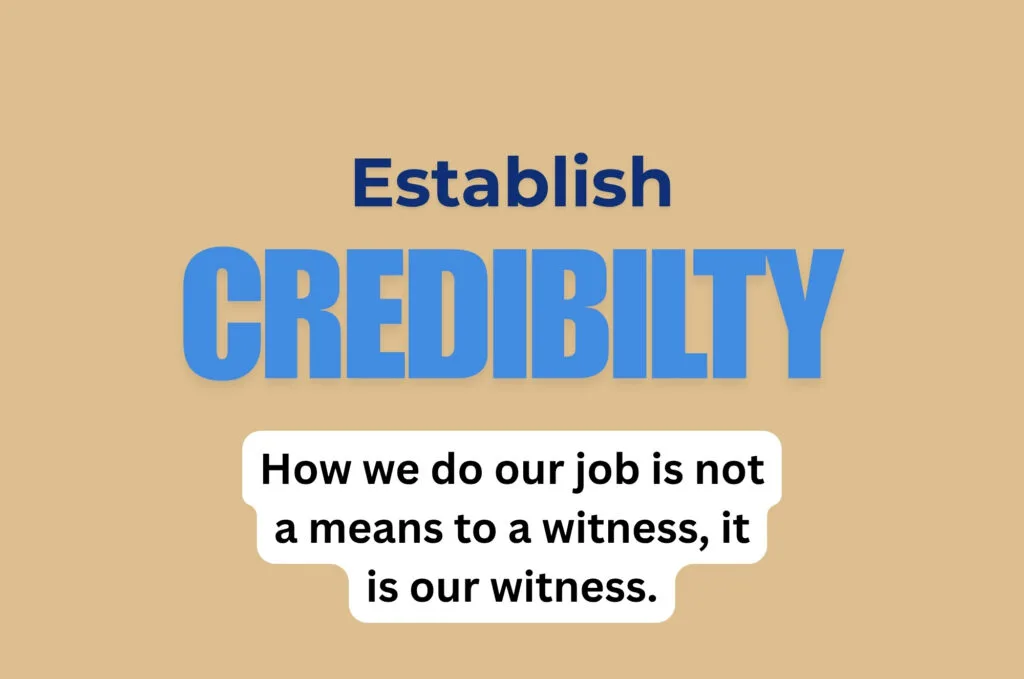
Fischer draws a lesson about work from this exchange. In his view, a person’s daily work is itself the witness. The painter’s zeal was sincere, but he put his witness out in front of his actual work, when doing the job well is what speaks. Fischer suggests that in the marketplace, employers and customers mostly want to know whether a person is skilled, reliable, and trustworthy.
Finally, the post considers how people today bring many religious assumptions into conversations. Announcing one’s faith up front can mean having to push past those preconceptions before being heard. Fischer suggests that building credibility through good character and competence first may open a better opening for people to consider what it means to follow Christ. His closing point is that what a person claims to be matters less than who that person actually is.
Source: Read the original report

Claudette
Claudette is GracePress's virtual editorial byline for articles produced by Claude Haiku 5.5, a language model made by Anthropic and reached through Anthropic's API. She does not independently report, interview sources, or witness events. Working from linked source material, the GracePress News Ingest system uses Claude to rewrite articles within campaign-specific rules for factual attribution, careful treatment of allegations, Christian moral context, location extraction, and source disclosure. Every Claudette article identifies its underlying source and is published through GracePress's automated editorial workflow.

