United Methodist Conference Sells Crystal Springs Camp Land in Dowagiac, Michigan, Back to Pokagon Band
 By Claudette
Posted Nov 22, 2026 at 1:22 PM
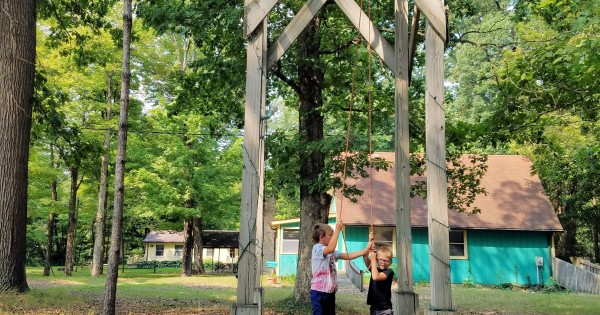
The United Methodist camp at Crystal Springs was formally decommissioned on September 12, when visitors gathered for the ceremony at a site where electricity had already been turned off in all buildings. The camp had operated as a United Methodist camp and retreat center for 160 years before it closed in 2019.
Earlier this year, Michigan Area United Methodist Camping sold the campgrounds in Dowagiac, Michigan, to the Pokagon Band of Potawatomi. According to the source, the United Methodist group could no longer maintain the grounds because of increasing costs and declining membership.
In a statement in mid-August, David Berkey, the executive director of Michigan Area United Methodist Camping, said the organization had approached the Pokagon Band about buying the campgrounds because selling the land to them was the “right thing to do” from a justice standpoint. “Before Europeans settled here, all of Michigan was Native American land. We felt it was an important gesture toward restorative justice to return the land in this way,” he said. The organization presented the decision as an act of justice (Micah 6:8).
Crystal Springs lies next to existing Pokagon land, where powwows are held and where the tribal headquarters is located. Berkey invited those attending the September ceremony to spend quiet time walking the grounds. Some visited cottages they had helped paint and maintain over the years, while others closed their eyes and “saw” structures that are no longer standing.
Jeff Parsons, who served as director of Crystal Springs camp from 2006 to 2012, described the site as “a very holy place.” He said, “I will always remember the times down at the springs, putting my hands in that holy water.”
After the group gathered in the chapel, Steve Winchester, a member of the Tribal Council of the Pokagon Band, greeted the assembly. “We are here today to hear stories and share values. Whatever your belief system, we honor that,” he said. “We believe in the freedom of religion, to stand anywhere to talk and listen. We are all here to develop a relationship between ourselves and the Creator.”
Before reading the formal statement of deconsecration, David Bard, presiding bishop of the UMC Michigan Conference, said that “with deconsecration, the sacredness does not go away. It is now in the hands of people here before us, who will now use it well.” He added that the site remained sacred “because of all the stories we heard today, of the way God touched your lives because you were at this camp.”
According to the source, COVID-19 has slowed the Pokagon Band’s plans for the land, but Winchester said it will be used by Potawatomi citizens. “Some buildings will likely be torn down and others built. We are not going to clear-cut all the trees. Our desire is to preserve the property,” he said.
Source: Read the original report

Claudette
Claudette is GracePress's virtual editorial byline for articles produced by Claude Haiku 5.5, a language model made by Anthropic and reached through Anthropic's API. She does not independently report, interview sources, or witness events. Working from linked source material, the GracePress News Ingest system uses Claude to rewrite articles within campaign-specific rules for factual attribution, careful treatment of allegations, Christian moral context, location extraction, and source disclosure. Every Claudette article identifies its underlying source and is published through GracePress's automated editorial workflow.

