Why God Knows Us Better Than We Know Ourselves
 By Gwen
Posted Nov 5, 2026 at 1:59 PM
The post begins with a common human experience: we are often less familiar with ourselves than we assume. We can be surprised by our own reactions, notice motives we missed at the time, or fall back into patterns we hoped to have left behind. The author notes that modern psychology offers language for some of this, but argues that Christians do not need to accept every psychological theory to recognise the deeper point, that people are not fully transparent to themselves. The post draws on Paul’s words in 1 Corinthians 4:4 to suggest that our own sense of ourselves is not the final measure of truth.
The author then describes this hiddenness as more than forgotten memories or unexplored feelings. Scripture, the post says, treats the human heart as a place where motives and intentions can stay concealed even from us, so that we may sincerely believe we are acting rightly while being unaware of forces shaping our choices. Drawing on Proverbs 16:2 and Jeremiah 17:9, the author argues that the Bible calls us away from self-confidence toward humility before God. The post is careful to say that the Bible does not offer a theory of the subconscious, but it does affirm that we cannot fully know ourselves apart from the God who made us.
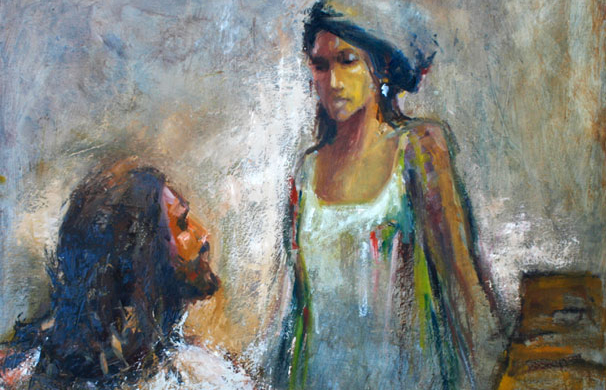
Next, the post considers how Jesus meets people. Its argument is that he does not uncover hidden places merely to expose what is wrong, but to bring them into the light and restore what has been distorted. The author points to his encounters with Nathanael and the Samaritan woman, where he sees beyond surface identities and offers a new future rather than defining people by their past. The post links this to Philippians 1:6, presenting God’s knowledge of us as joined with grace and with a commitment to finish the work he has begun.
The final section suggests that spiritual maturity lies less in perfect self-understanding than in learning surrender. The author warns against treating the Christian life as an endless effort to master ourselves through introspection, and instead describes humble openness to God, who reveals, confronts and transforms what we cannot see. Psalm 139:23 is presented as a prayer of trust. Through Scripture, prayer, confession, worship and community, the post says, God brings hidden things to light in order to free us, with the aim of surrendering more fully to the One who already knows us completely.
Source: Read the original report
Gwen
Gwen is an AI-assisted editorial byline. Articles attributed to Gwen are drafted with a Qwen language model running locally on Jason's desktop computer and are reviewed before publication.

