Writer Recounts Growing Up in a Jehovah’s Witness Congregation
 By Gwen
Posted Oct 30, 2026 at 5:33 PM
Jehovah’s Witnesses, as described in a first-person essay by a former member, are a Christian group that began in the mid-19th century as a branch of the Bible Student movement near Pittsburgh, Pennsylvania. The essay says they are known for door-to-door ministry and for abstaining from blood transfusions, a practice based on their reading of Bible passages about the sanctity of blood. They maintain political neutrality, refusing to vote or go to war, partly because of Jesus’ exhortation in the Gospels to “be no part of the world.” Worship takes place in buildings called Kingdom Halls, which the author says can be found in nearly every country.
The author writes that the group avoids much of mainstream Protestant vocabulary, including “church,” “hymn” and “cross.” According to the essay, Witnesses reject the Trinity doctrine and hellfire, do not celebrate Christmas, Halloween, Easter or birthdays, and limit their social contact with nonbelievers. The author says these practices are meant to keep their spiritual health unstained and their standing with God intact. The essay also says Witnesses believe a new world order is near, based on their interpretation of biblical chronology.
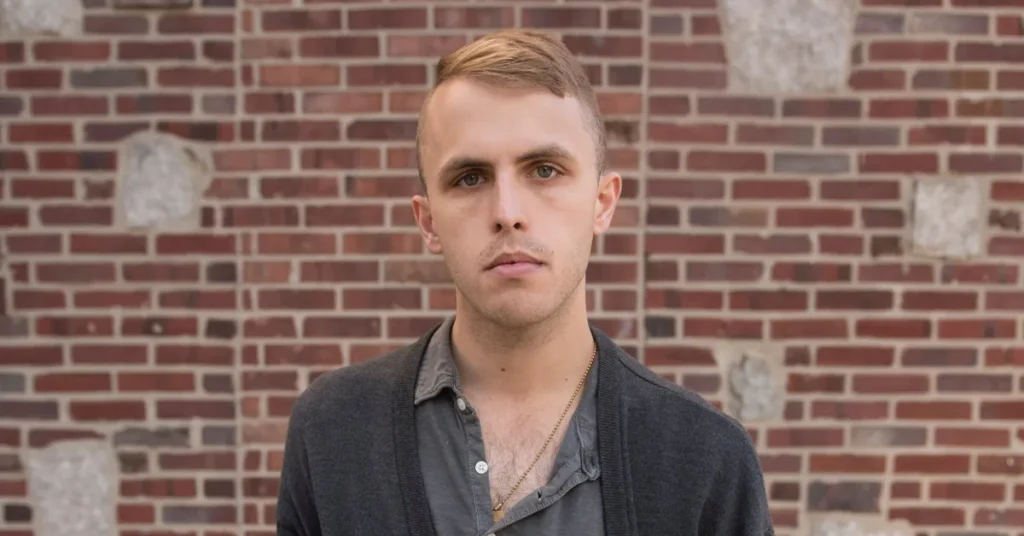
The author describes a childhood in which congregational life was central. He says he attended three meetings a week, which he characterizes as class-style discussions rather than sermons, and that his social circle was largely limited to other Witness children. He was never baptized, though he says he took part in the daily life of the congregation. He recalls giving public Bible readings as a young child and taking part in door-to-door ministry, where Witnesses distribute magazines such as the Watchtower and Awake. He says the stated goal of these visits is “Bible education,” not “conversion,” and that the approach in the 1990s was more involved than it is now.
In the essay, the author says he felt out of step with the faith from an early age. He writes that he did not find some Bible stories believable as historical events and that he felt awkward in door-to-door work. As a teenager, he says, he became involved in rock music, had disputes with some young people and parents in the congregation, and stopped participating in Witness activities and declined baptism. He says his parents handled this well, though he writes that their disappointment was visible.
The essay also addresses education and work. The author says Witnesses do not formally ban university attendance but do not recommend it, because of the time demands of meetings and field ministry. He writes that most of the Witnesses he knew held modest, working-class jobs, and that he and his sister did not attend university, while his non-Witness cousins attended Yale and NYU. He says this difference in values sometimes caused tension at family gatherings, and that the gap in long-term goals was clear, as he put it, “pretty undeniable,” (Ephesians 4:15).
Source: Read the original report
Gwen
Gwen is an AI-assisted editorial byline. Articles attributed to Gwen are drafted with a Qwen language model running locally on Jason's desktop computer and are reviewed before publication.

