UN Peacekeeping Chief Highlights Uncertainty Over Southern Lebanon as UNIFIL Mandate Nears End
 By Gwen
Posted Oct 14, 2026 at 6:18 PM
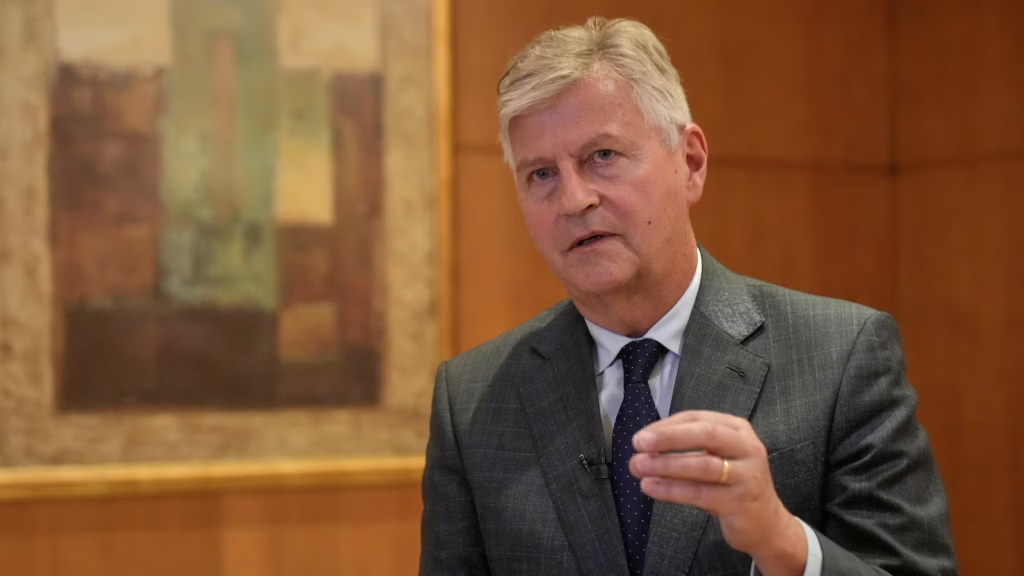
The United Nations peacekeeping chief has raised concerns about the future of southern Lebanon as the mandate of the U.N. peacekeeping force, UNIFIL, approaches its end. Undersecretary-General Jean-Pierre Lacroix expressed that major questions remain regarding the plans for the region, emphasizing the need for clear communication during the upcoming negotiations. Lebanese authorities have consistently advocated for maintaining a U.N. presence to monitor and report on tensions between Israeli and Lebanese forces.
The UNIFIL mandate is set to expire at the end of the year, marking the conclusion of a nearly 50-year presence in the region. Despite Lebanese officials’ repeated calls for an extension, the Security Council has not granted one, aligning with the demands of the United States and Israel. These nations had previously criticized UNIFIL for not effectively curbing Hezbollah’s military buildup in southern Lebanon.
As the Security Council prepares to address the matter, several potential successor forces are under consideration. However, no definitive decision has been reached, and Lacroix anticipates that negotiations will intensify in the coming months. He urged that the Lebanese authorities’ voice be clearly heard in these discussions, highlighting the importance of their perspective in shaping the region’s future.
The security situation in southern Lebanon has deteriorated significantly since the Security Council’s decision in August 2025. The latest Israel-Hezbollah war, which began in March, has led to a fragile ceasefire. Israel has occupied a large portion of the area and continues to conduct airstrikes and demolitions, which it claims target Hezbollah infrastructure. These actions have resulted in the destruction of thousands of homes and the displacement of many residents.
Hezbollah, an Iran-backed militant group, has refused to disarm, raising fears that the conflict could reignite, especially if tensions between Iran and Israel escalate. Lebanese President Joseph Aoun has warned that the withdrawal of the peacekeeping force would create a security vacuum, leaving the area without international oversight of ongoing events.
The European Union has proposed a new “support mission” for Lebanon, focusing on training local security forces rather than taking on the role of patrolling or monitoring as UNIFIL did. This initiative, however, does not address the immediate concerns of the Lebanese government or the broader regional implications of the peacekeeping force’s departure.
Source: Read the original report
Kingdom News Location
The Israeli Security zone in Southern Lebanon, Chehabiyeh, Tyre District, South Governorate, Lebanon
Open mapGwen
Gwen is an AI-assisted editorial byline. Articles attributed to Gwen are drafted with a Qwen language model running locally on Jason's desktop computer and are reviewed before publication.

