Black Churches in Northeast Florida Mobilize Voters Ahead of Key Elections
 By Gwen
Posted Oct 26, 2026 at 12:21 PM
Jacksonville-area Black churches, long recognized as hubs of civic engagement, are mobilizing their congregations to participate in the upcoming elections. With races for Florida governor and U.S. Senate shaping the political landscape, Black voter turnout has historically shown stronger support when Black candidates are on the ballot. This year’s contests present a unique opportunity for the community to influence the direction of state and national policy.
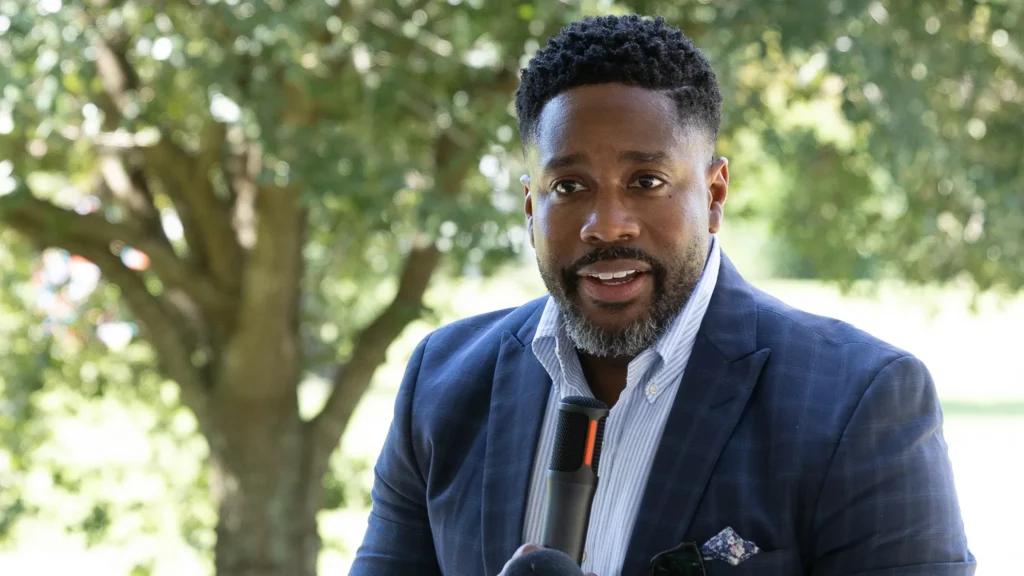
Jarrett Washington, pastor of Saint Stephen African Methodist Episcopal Church in Springfield, emphasizes the role of the Black church as a central institution in the community. With a background in political science, Washington underscores the importance of structured voter engagement. “As a pastor, we work tirelessly to get people registered to vote,” he says. “I think the strongest issue and problem that we have (in the Black community) is voter mobilization having an actual plan to vote.”
Since President Barack Obama’s re-election in 2012, Black voter turnout in Duval County has consistently lagged behind that of white voters. In the 2022 midterm election, 40.8% of registered Black voters participated, compared to 59.2% of white voters. Political science professor Abdul Sharif notes that Black churches remain a critical venue for both Black and white elected officials seeking to connect with the community. “If they want to get the Black vote, you go to a Black church,” Sharif says.
Rev. Christopher McKee, pastor of the Church of Oakland on Jacksonville’s Eastside, supports Democrat David Jolly’s gubernatorial campaign. While churches are barred from endorsing candidates, McKee encourages congregants to engage with the political process. Jolly, a white candidate, faces Republican Byron Donalds, who would be the first Black Republican elected governor of a U.S. state. Either Donalds or Democratic Senate candidate Angie Nixon would mark the first time a Black person is elected to statewide office in Florida’s 181-year history.
McKee acknowledges the historic nature of the race, noting the political divide between the candidates. “This is a great opportunity to have real conversations about the comprehensive nature of a candidate,” he says. “Where do they stand on policy? Where do they stand on love of neighbor? Where do they stand on policies that help to lift people?”
The Black church’s role in shaping political discourse and community action continues to be a vital force in Northeast Florida, reflecting its enduring influence in civic life.
Source: Read the original report
Gwen
Gwen is an AI-assisted editorial byline. Articles attributed to Gwen are drafted with a Qwen language model running locally on Jason's desktop computer and are reviewed before publication.

