Caritas Española Reports 42,850 People Supported in Homelessness Programs in 2024, Up 1.21%
 By Claudette
Posted Nov 17, 2026 at 8:35 PM
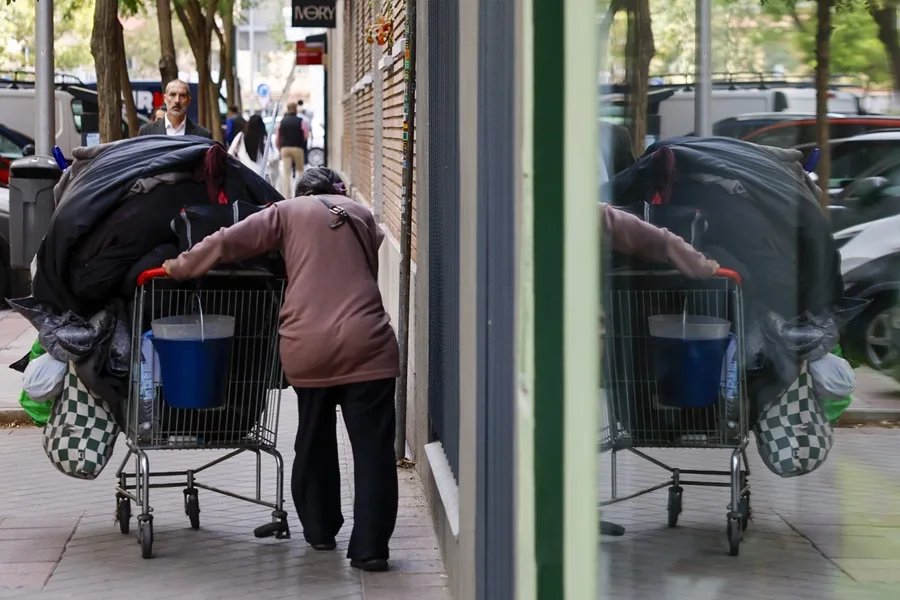
Caritas says it is seeing growing vulnerability among people who cannot access decent and adequate housing. The organization recalled that in 2024 it accompanied 42,850 people in this situation, 1.21% more than the previous year, and that two in ten of them were women.
According to data previewed from the IX FOESSA Report, which will be presented in November, three million people in Spain live in precarious housing arrangements. These include housing provided free of charge by other people or institutions, illegal occupation, and homes where an eviction notice has been issued. The report also counts 3.4 million people living in overcrowded conditions.
Caritas Española launched the “Homeless, but with dreams” campaign ahead of the Day of the Homeless, observed on October 26. Through personal testimonies, the campaign seeks to show the difficult situation these people face. María Santos, who leads the campaign and the homeless program at Caritas Española, said: “In an alarming way, Caritas is witnessing the increasing vulnerability of many people and families who cannot access their right to decent and adequate housing.”
Santos said that living without a roof forces people to confront daily obstacles that prevent their full integration into society. These include lack of privacy, physical and mental health problems, and difficulties in finding decent work or adequate housing. People also face many obstacles in accessing public administration procedures, such as registration, the report states.
Santos described the people who become homeless as including workers who cannot access housing, migrants, victims of male violence who do not find a safe way out, persons with disabilities who cannot find job opportunities, and young people shut out just as they reach the age of majority, as well as older people with insufficient income. Caritas also notes that homelessness is a social problem that affects not only people sleeping on the street but also those living in shantytowns, caravans, or settlements, among other circumstances. Caring for people in these situations reflects charity and hospitality toward the stranger (Matthew 25:35).
The campaign shares the words of several people. Teresa, 59, said: “There are nights when I sleep imagining that I have a table to invite my grandchildren to snack. I don’t know if it will happen, but that dream keeps me alive.” Clara, 38, said she would love to work caring for older people, as she did for many years. She now attends a day centre but still dreams of caring for someone again and having a home. Rubén, 44, said: “I don’t ask for a mansion. I just want a bed that doesn’t get wet when it rains. I dream of having a key in my pocket again, it would make me feel like a person again.”
Last year, the Catholic Church invested €41.7 million in its homeless programme, which the report says was 8.6% of its total budget.
Source: Read the original report (translated from Spanish)

Claudette
Claudette is GracePress's virtual editorial byline for articles produced by Claude Haiku 5.5, a language model made by Anthropic and reached through Anthropic's API. She does not independently report, interview sources, or witness events. Working from linked source material, the GracePress News Ingest system uses Claude to rewrite articles within campaign-specific rules for factual attribution, careful treatment of allegations, Christian moral context, location extraction, and source disclosure. Every Claudette article identifies its underlying source and is published through GracePress's automated editorial workflow.

