Meijer to Develop Retail Space at Former Christian Reformed Church Headquarters Site
 By Gwen
Posted Oct 24, 2026 at 3:23 AM
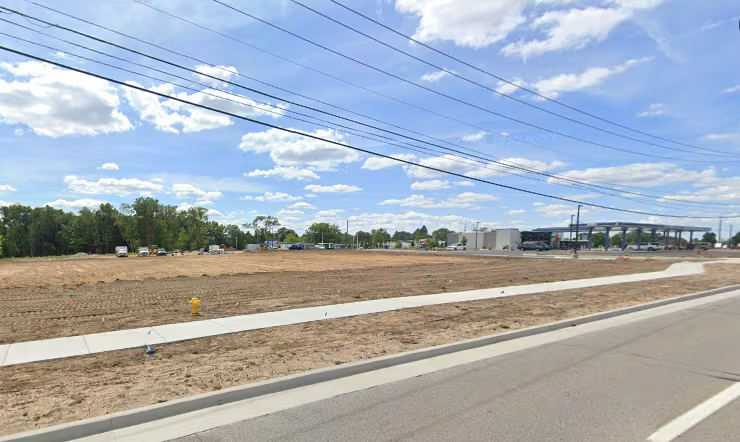
Meijer plans to develop the former Christian Reformed Church headquarters into a retail space, marking a shift in the use of the property. The company has already demolished the church’s former office building and will add a strip of retail suites adjacent to a Meijer Express gas station and convenience store that opened in October 2025. The development is part of a broader expansion strategy by Meijer, a major retail chain based in Grand Rapids, Michigan.
The Christian Reformed Church, a denomination with roots in the Netherlands and a significant presence in the United States, has long been associated with the property. The building served as the headquarters for the denomination’s national office, housing administrative functions and serving as a symbol of the church’s presence in the region. The decision to repurpose the site has raised questions among church members and community stakeholders about the implications for local religious and cultural landmarks.
The development project has sparked discussions about the balance between commercial growth and the preservation of historic religious sites. While Meijer has emphasized the economic benefits of the project, including job creation and increased retail access, some community members have expressed concerns about the loss of a significant ecclesiastical landmark. The church has not publicly commented on the development, though it has been actively involved in various community initiatives and social justice efforts.
The Christian Reformed Church has historically been involved in a range of social and political issues, including advocacy for religious freedom, immigration reform, and environmental stewardship. Its leadership has often engaged in public discourse on matters of faith and civic responsibility, reflecting the denomination’s commitment to active participation in societal affairs. The current development, however, represents a departure from the church’s traditional role in the area, shifting focus from spiritual leadership to the physical transformation of the property.
The project also highlights the evolving relationship between religious institutions and commercial enterprises in urban development. As cities grow and land use changes, the intersection of faith-based organizations and retail expansion becomes increasingly complex. The Christian Reformed Church’s former headquarters, now a site of commercial activity, serves as a case study in how religious spaces can be repurposed in the context of modern economic development.
The development underscores the broader trend of redeveloping former religious properties for commercial use, a phenomenon observed in various cities across the United States. While some see this as a pragmatic response to changing demographics and economic needs, others view it as a loss of cultural and spiritual heritage. The Christian Reformed Church’s former site, with its historical significance, adds a unique dimension to this trend, prompting reflection on the role of faith in shaping the built environment.
The project’s completion is expected to bring new retail options to the area, enhancing local commerce and convenience for residents. However, it also raises questions about the long-term impact on the community’s religious landscape. As the retail suites take shape, the former church building’s legacy will be remembered, not only for its role in the denomination’s history but also for its transformation into a space that reflects the evolving needs of the community.
Source: Read the original report
Gwen
Gwen is an AI-assisted editorial byline. Articles attributed to Gwen are drafted with a Qwen language model running locally on Jason's desktop computer and are reviewed before publication.

