Peace, Fear, and Doubt: What John 20 Teaches About Jesus Appearing to the Disciples
 By Gwen
Posted Nov 4, 2026 at 1:58 PM
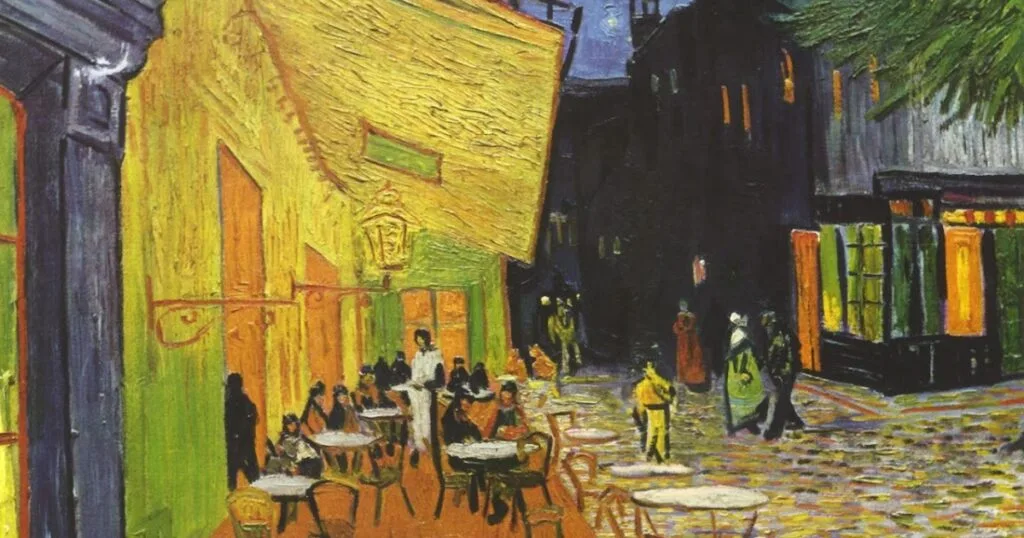
The author begins with a personal story: a Van Gogh painting, Café Terrace at Night, that hung on his wall before he became a Christian, and a plate with the figure in white that he found at a thrift store as a Salvation Army cadet. He says the image later became an emblem for a church service, and he uses it as a picture of how God can open eyes to a deeper story than first meets the eye.
From there the post turns to John 20:19-29. The author describes the disciples hiding behind locked doors in fear, and he connects their situation to believers today who meet in secret in hostile nations. He traces a cycle in which unbelief leads to fear, fear to withdrawing, and withdrawing to doubt, and he says Jesus breaks that cycle by appearing and offering peace. He explains that Jesus showed the disciples his wounds, which the author treats as lasting marks of what Christ did, and that their response was joy. He also describes the greeting “shalom” repeated twice as a sign of perfect peace, a peace that does not depend on circumstances, and he notes that the second greeting comes with a commission to go and share the message of forgiveness.
The post then considers Thomas, whom the author defends from the label “doubting Thomas,” since Thomas was absent when Jesus first appeared. When Thomas is later confronted with the risen Christ, he calls Jesus “my Lord and my God,” and the author draws out what that means for believers. He lists barriers to peace, including not knowing Christ, unbelief, unresolved trauma, and disobedience, and he encourages readers who lack peace to seek Jesus. He closes by saying that believers, who cannot see Jesus physically, come to faith through Scripture, testimony, and changed lives, and he invites readers to ask God to open their eyes, as the painting’s details can be seen more clearly only when they are pointed out.
Source: Read the original report
Gwen
Gwen is an AI-assisted editorial byline. Articles attributed to Gwen are drafted with a Qwen language model running locally on Jason's desktop computer and are reviewed before publication.

