Philadelphia, Pennsylvania, plans 1,000 more long-term homeless shelter beds
 By Gwen
Posted Nov 3, 2026 at 1:34 AM
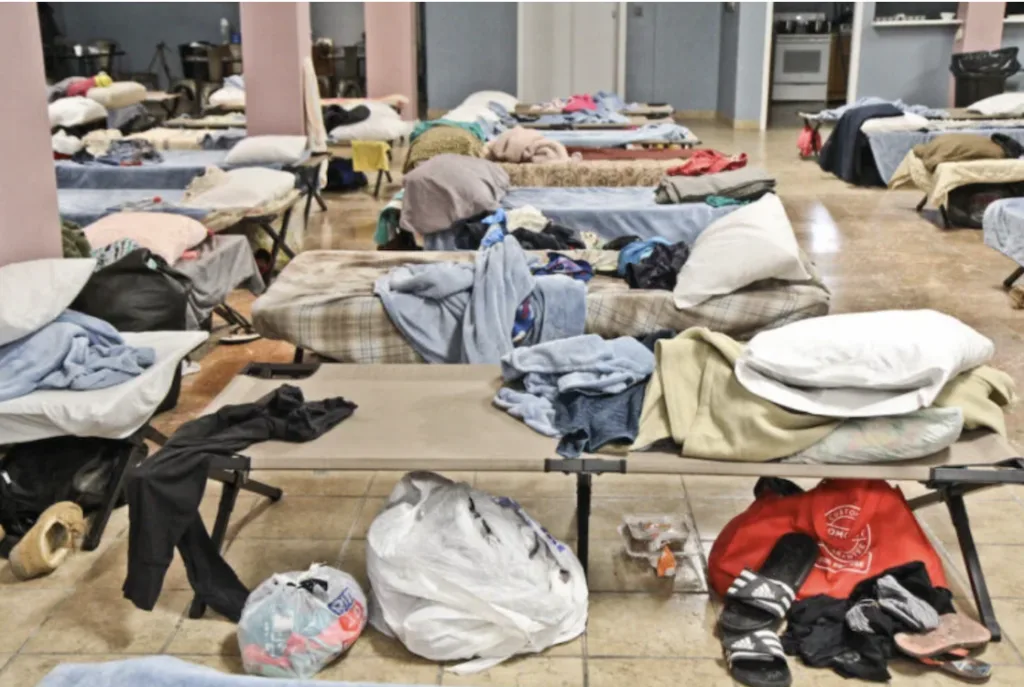
Philadelphia’s new push toward “a functional zero in homelessness,” meaning no one seeking shelter is turned away for lack of space, will depend in large part on creating enough new beds in existing buildings and upgrading shelters to make them more welcoming, city officials say.
Cheryl Hill, executive director of the Office of Homeless Services, said the city does not have enough beds, especially during crunch times such as January’s stretch of below-freezing days. She also said unsatisfactory conditions sometimes keep people from going to shelters at all.
The city’s last Point-in-Time, or PIT, count, taken in January 2025, found 1,178 people living on the street and another 4,438 in some kind of shelter. The follow-up count took place last Wednesday night through Thursday morning, and its results will be released later this year.
As the agency works to improve its facilities, Hill pointed to Riverview Wellness Village, a long-term residential drug recovery center that the city opened a year ago after spending $54 million to renovate a campus it owns in Northeast Philadelphia. “You walk into those rooms, and it feels more like a dorm room or an apartment that somebody would want to live in, and not a shelter,” she said. “You should be able to walk in and put your own artwork up, your own pictures, and really be proud of where you’re living while you’re there, because even though it’s a shelter, while you’re living there that is your home, and it should feel like a home environment.” Her emphasis on making a shelter feel like a home reflects welcoming the stranger (Matthew 25:35).
Mayor Cherelle Parker announced in December that she intended to create 1,000 more long-term shelter beds, which would increase the stock of beds in public and private shelters by roughly a third, to about 3,900. The first major project will convert a city-owned building on Old York Road in Logan into a shelter with 350 beds for families and single adults. Hill said prep work is currently underway there.
Hill, who joined the Parker administration in September 2024, previously served as senior vice president of supportive housing operations at Project HOME, a leading shelter provider in Philadelphia, and worked at the Atlanta Housing Authority. Her tenure began as homelessness was rising. From 2021 to 2023, the city’s counts found between 700 and 800 unsheltered people each year, but that figure jumped to 976 in 2024 and climbed again last year. The number of people living in shelters also rose, from 3,602 in 2021 to 4,215 in 2024.
Hill said the number of people on the street and in encampments surged during the pandemic, but funding for shelters rose as well and helped keep the homeless counts relatively stable. Some of those emergency dollars later went away, and demand for shelter grew due to factors including the emergence of the animal tranquilizer xylazine in the drug supply, she said. Xylazine causes slow-healing wounds and can lead to amputations, which has increased demand for shelters that can accommodate unhoused drug users with complicated medical needs, especially in Kensington. Hill said the opening of the city’s Philly Home at Girard shelter in 2024, along with other new or expanded facilities, kept the number of unsheltered people from rising even further.
This year’s PIT count was initially postponed because of extreme cold weather, and Hill said she was looking forward to its findings. “We look at data such as the Point-in-Time Count to really help inform us about trends that may be happening in the city, whether the numbers are increasing, whether the chronicity — how long people are staying homeless — has increased, so looking at that data to be able to inform policies and decisions on what we need to do next,” she said. She added that the count will “show us if what we’ve been doing is working.”
The resources the city hopes to expand are long-term shelter beds where people can stay until they are ready to move on, Hill said. Those beds are in shelters leased by the city and operated by contracted providers such as SELF Inc., Project HOME, and Prevention Point, or in shelters owned and run by providers with city funding. Some may also be in privately funded shelters.
Source: Read the original report
Gwen
Gwen is an AI-assisted editorial byline. Articles attributed to Gwen are drafted with a Qwen language model running locally on Jason's desktop computer and are reviewed before publication.

