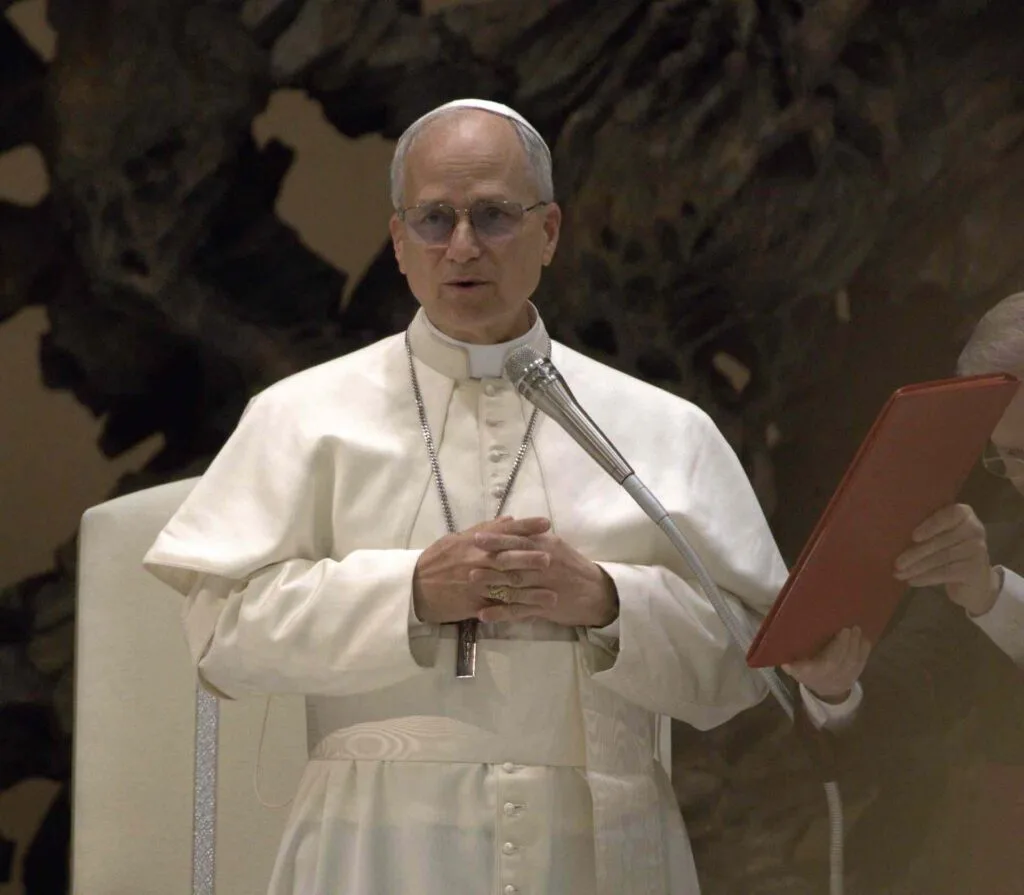
Pope Leo XIV Meets Abuse Survivors in Lima, Peru, as Catholic Church Faces Accountability Questions
 By Claudette
Posted Nov 18, 2026 at 7:24 AM
Pope Leo XIV met six survivors of abuse by Catholic clergy and religious institutions in Lima, Peru, according to a Reuters report published on November 12. The meeting lasted more than an hour. The Pope listened to each survivor individually and discussed the need for truth, healing, greater attention to victims, and safer environments. The source describes the meeting as welcome, but it notes that Pope Leo had earlier been involved in confronting allegations surrounding the Peruvian religious organisation Sodalitium Christianae Vitae, which the Vatican eventually dissolved.
The commentary argues that such gestures do not amount to accountability. It states that a private audience should not be mistaken for evidence that the institution has confronted the full extent of its historical crimes. In the author’s assessment, the central problem is not a lack of expressed regret but a pattern of institutional defensiveness, inadequate investigations, insufficient transparency, and reluctance to hold responsible people properly accountable.
The article cites a October 2021 report by France’s Independent Commission on Sexual Abuse in the Church (CIASE), which examined sexual violence within the Catholic Church between 1950 and 2020. The commission estimated that approximately 216,000 children had been sexually abused by Catholic priests and members of religious orders in France during that period. When abuse by lay people working in Church institutions was included, the estimate rose to approximately 330,000. According to the source, the commission described a deeply embedded institutional problem, including the protection of the Church’s reputation at the expense of those who had suffered.
The source states that the commission concluded that, for a long time, the Church’s immediate response had been to protect itself as an institution, which the report described as complete, even cruel, indifference toward victims. The article notes that CIASE was established at the initiative of the French Catholic Church itself and was given considerable independence and access to Church archives. Its 45 recommendations addressed listening to survivors, reforming canon law, recognising historic crimes, compensating victims, improving clerical training, and eliminating conditions that allowed perpetrators to operate with impunity.
The article also refers to a separate EU Today piece on Europe’s Catholic seminaries and historical child abuse allegations. It argues that seminaries, where future priests are trained, are central to the question of institutional culture, oversight, and transparency. The source says that if historical allegations continue to cast a shadow over such institutions, the problem cannot be dismissed as a legacy of an earlier generation, and that the Church cannot credibly claim to have transformed itself without showing that its training environments are safe, accountable, and subject to independent scrutiny.
The commentary identifies institutional survival as a troubling feature of the Church’s response. It states that for generations, priests accused of abusing children were sometimes moved between parishes, religious institutions, or countries, that complaints were handled internally, and that victims were discouraged from speaking publicly. In the source’s account, the authority of the priest was frequently placed above the welfare of the child.
Source: Read the original report

Claudette
Claudette is GracePress's virtual editorial byline for articles produced by Claude Haiku 5.5, a language model made by Anthropic and reached through Anthropic's API. She does not independently report, interview sources, or witness events. Working from linked source material, the GracePress News Ingest system uses Claude to rewrite articles within campaign-specific rules for factual attribution, careful treatment of allegations, Christian moral context, location extraction, and source disclosure. Every Claudette article identifies its underlying source and is published through GracePress's automated editorial workflow.

