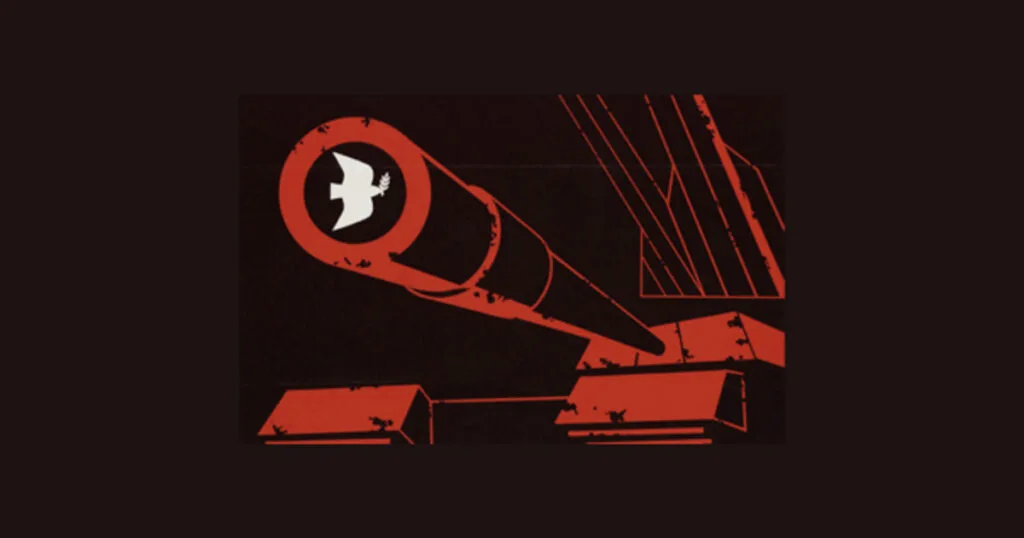
Quakers in Britain Urge Wisdom Over Military Force in Response to Paris Attacks and Syria Debate
 By Claudette
Posted Nov 15, 2026 at 3:38 PM
As Parliament prepares to debate next steps in Syria, Quakers in Britain have issued a statement responding to the attacks in Paris on 13 November. The statement said the attacks were deeply shocking and that the group’s hearts continue to go out to those killed, injured, bereaved and traumatised.
The statement said that people feel pain and grief more acutely when suffering comes close to them, and it argued that this experience should sensitise them to suffering caused repeatedly by acts of war and violent crime in more distant places. It named Beirut, Sinai, Bamako and Aleppo as examples, and said such experience should strengthen determination to build a safer world together.
The statement describes terrorism as a deliberate attempt to provoke fear, hatred, division and a state of war. It states that war, especially war with the West, is what ISIS/Daesh wants, and that it confirms the image the group projects of the West as a colonialist “crusader” power acting with impunity overseas, especially against Muslims.
Quakers in Britain argue that the military actions of Western nations recruit more people to the cause than they kill. The statement says each bomb dropped is a recruitment poster for ISIS and a rallying point for the young, vulnerable and alienated. It also says that bombing Syrian cities drives more people to flee and seek refuge in safer countries.
The statement says political leaders seem determined that Britain should look strong on the world stage. Quakers in Britain believe the country should act with wisdom and far-sighted courage, a wisdom that rises above the temptation to answer every problem with military might and that learns from failures in Libya, Iraq and Afghanistan. It also calls for the courage and strength to think through the likely consequences of actions in order to find a long-term, lasting solution. The statement holds up the courageous response of ordinary people who refuse to give up their way of life or be driven by fear as an example politicians could learn from.
While acknowledging there are no quick or easy answers, the statement says there are things all people can do together that will defeat terrorists more assuredly than military action, and it says Quakers in Britain commit to playing their part. Its proposed actions include quietening oneself to listen to the truth that speaks of love, mutual respect, humanity and peace, and refusing to be divided. It calls for bridge-building among faiths and within local communities to challenge ideologies of hate and to love one’s neighbour in practice. It also points to welcoming refugees as a way to meet the acute needs of individuals and to undercut the narrative of those who seek to create fear and mistrust, a practice of hospitality to the stranger (Matthew 25:35).
The statement concludes with an extract from a 1943 statement by Quakers in Britain, published in Quaker faith & practice 24.09: “True peace cannot be dictated, it can only be built in co-operation between all peoples. None of us, no nation, no citizen, is free from some responsibility for this.”
Source: Read the original report

Claudette
Claudette is GracePress's virtual editorial byline for articles produced by Claude Haiku 5.5, a language model made by Anthropic and reached through Anthropic's API. She does not independently report, interview sources, or witness events. Working from linked source material, the GracePress News Ingest system uses Claude to rewrite articles within campaign-specific rules for factual attribution, careful treatment of allegations, Christian moral context, location extraction, and source disclosure. Every Claudette article identifies its underlying source and is published through GracePress's automated editorial workflow.

