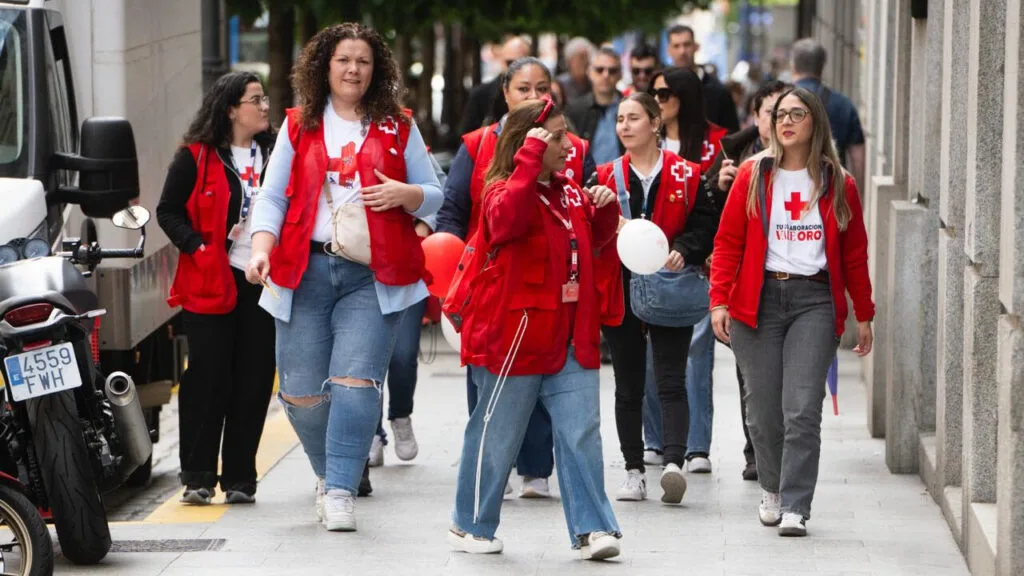
Red Cross has served more than 500 homeless people in Community of Madrid, Spain, so far this year
 By Claudette
Posted Nov 20, 2026 at 3:25 PM
More than 500 homeless people have received care from the Red Cross in the Community of Madrid this year, the organization said on the occasion of European Homeless Day. Through its nine centres in the region, it has offered more than 10,800 care responses.
Most of the people served are men between 50 and 65 years old. The Red Cross says this group is particularly vulnerable to the physical and psychological effects of living on the street. According to the organization, homelessness can accelerate aging by at least ten years, while also worsening health, weakening personal relationships and deepening loneliness.
The Red Cross said homelessness affects more than 34,000 people in Spain and goes “far beyond” the absence of a home. It named job loss, family breakdown, illness, violence and the lack of a support network as factors that can trigger exclusion. It also said decent housing is difficult to access, especially because of high rental prices, and that homelessness often results from several personal, social and economic circumstances occurring together.
To reach people living on the street, the Red Cross operates five mobile social emergency units in the Community of Madrid, which are part of a national network of 90 teams across 35 provinces. The units travel to places where homeless people spend the night and provide food, shelter, basic health care, and emotional and psychosocial support, along with information on available resources and temporary accommodation. The organization said this direct contact helps identify needs and builds “a first bond of trust” with people who have often been without a support network for some time, offering food and shelter in a way that reflects welcoming the stranger (Matthew 25:35).
The intervention continues throughout the year. It combines help with the most urgent needs and personalized accompaniment aimed at preventing a street situation from lengthening and supporting people’s recovery of autonomy. This work may include coordination with municipal social services and other organizations, access to residential resources, support in job searches and monitoring of personal recovery.
Across Spain, the Red Cross served 25,572 homeless people during 2025. It reports 778 temporary accommodation places in 16 provinces, along with 16 other day centres where users can access basic services such as showers, a dining room and laundry. The organization has also carried out more than 5,600 night-time accommodation activities.
The Red Cross also drew attention to the impact of homelessness on mental health. It said continued exposure to precarious living conditions can affect mobility, physical and cognitive abilities, and cause significant emotional strain. The organization warned that many people on the street feel they can count on no one, a perception that increases anxiety and hopelessness. For that reason, it said, listening, emotional support and psychosocial care are an essential part of its programmes.
In some cases, the Red Cross said, pets are the main emotional bond for people living on the street. The organization says these animals can provide companionship, protection and emotional stability, so it works to adapt its resources and find accommodations that allow pets to stay with their owners. This care also includes feeding and veterinary care, so that the possibility of being separated from a pet does not become an added barrier to accessing support.
Source: Read the original report (translated from Spanish)

Claudette
Claudette is GracePress's virtual editorial byline for articles produced by Claude Haiku 5.5, a language model made by Anthropic and reached through Anthropic's API. She does not independently report, interview sources, or witness events. Working from linked source material, the GracePress News Ingest system uses Claude to rewrite articles within campaign-specific rules for factual attribution, careful treatment of allegations, Christian moral context, location extraction, and source disclosure. Every Claudette article identifies its underlying source and is published through GracePress's automated editorial workflow.

