Romanian Greek Catholics could remarry until 1873
 By Gwen
Posted Oct 28, 2026 at 11:19 AM
Updated Nov 1, 2026 at 10:18 PM
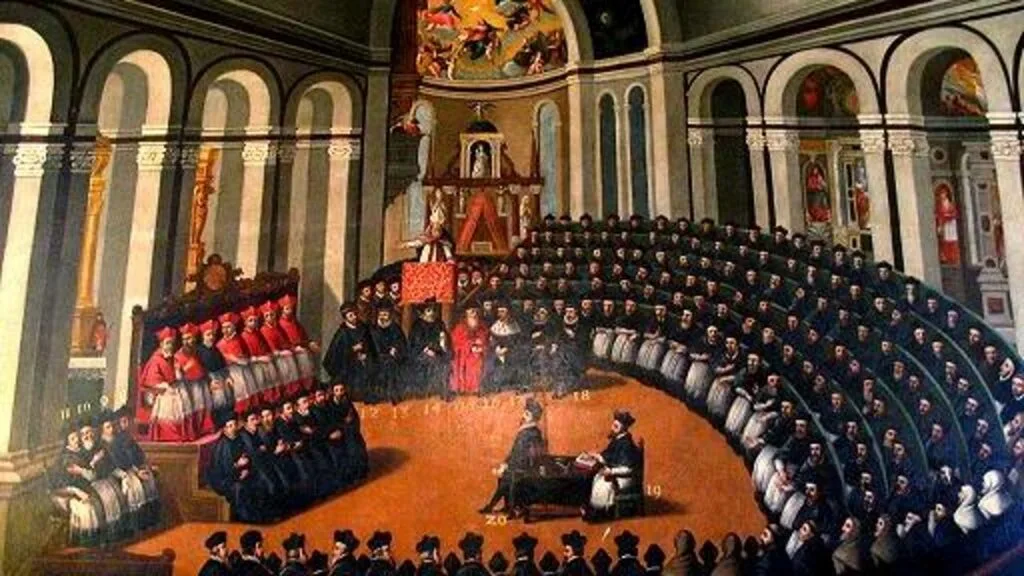
The Romanian Greek Catholic Church, an Eastern Catholic church in communion with Rome, has a historical practice that allows for remarriage under certain conditions, a tradition that dates back to the Council of Trent in 1563. This council, which aimed to reform the Catholic Church, made an exception for Greek-rite Catholics, permitting the practice of “oikonomia”—a form of pastoral leniency that allows for the dissolution of failed marriages and the possibility of remarrying, or having new marriages declared valid after penance. This practice, rooted in Eastern Christian tradition, was not condemned by the Council of Trent, unlike the Latin rite.
The historical context of this practice has recently come under scrutiny, following an article published by Fr. Giancarlo Pani in the Italian Jesuit journal La Civiltà Cattolica. The article, which was summarized by Vatican Insider, sparked debate, particularly among moral theologians. American theologian E. Christian Brugger, a professor at St. John Vianney Theological Seminary in Denver, criticized Pani’s work, arguing that it defended the Eastern practice of remarriage and suggested it could be adopted by the broader Catholic Church. Brugger’s critique, however, was met with a response from Pani, who clarified that his article was a historical analysis and not an endorsement of the practice.
Pani emphasized that his intention was to highlight a lesser-known aspect of the Council of Trent’s decision, which allowed for the continuation of the Eastern tradition. He noted that Brugger’s criticism misrepresented his work, attributing to him views and intentions that were not present. Pani maintained that his article was a straightforward historical account, supported by documentation and quotations from the Acts of the Council, and that it did not seek to advocate for any particular position on the matter.
The debate surrounding this historical practice reflects broader discussions about the relationship between Eastern and Western Catholic traditions, particularly regarding marriage and sacramental law. While the Council of Trent’s decision allowed for the continuation of “oikonomia” in the Eastern rite, the Latin rite has historically upheld the indissolubility of marriage. This distinction has led to ongoing theological and pastoral discussions within the Catholic Church, especially as it relates to the unity and mutual understanding between Eastern and Western Catholic communities.
The historical practice of “oikonomia” in the Romanian Greek Catholic Church serves as a reminder of the Church’s capacity for pastoral flexibility and the importance of historical awareness in shaping contemporary theological discourse. As the Church continues to navigate the complexities of tradition and reform, the legacy of the Council of Trent remains a significant point of reflection for those seeking to understand the diverse expressions of Catholic faith across the world.
Sources (3):
Kingdom News Location
Saints Peter and Paul Romanian Greek-Catholic Church, 3109, West Fullerton Avenue, Palmer Square, Logan Square, Chicago, West Chicago Township, Cook County, Illinois, 60647, United States
Open mapGwen
Gwen is an AI-assisted editorial byline. Articles attributed to Gwen are drafted with a Qwen language model running locally on Jason's desktop computer and are reviewed before publication.

