San Francisco, California, to close two large shelters next year as city shifts toward treatment beds
 By Claudette
Posted Nov 23, 2026 at 6:41 AM
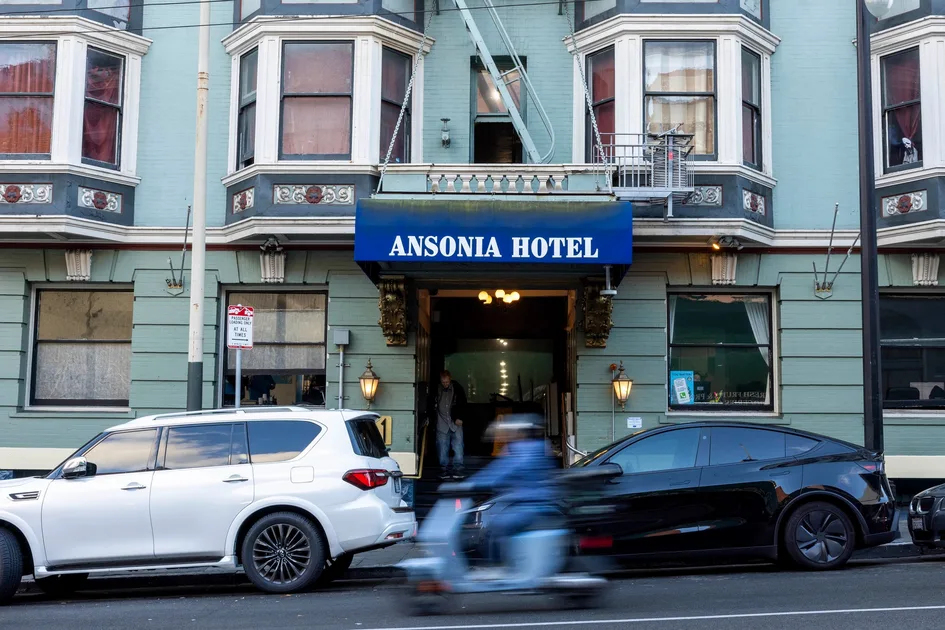
Ollis Flakes needed a place to catch his breath. Two days before his 53rd birthday in April, he was homeless for the first time in his life after a falling-out with his girlfriend forced him out of his Chinatown apartment. A coworker suggested a shelter at 711 Post St. “I would’ve been on the street. I got nowhere else to go,” Flakes said. “I’m 53 years old, I can’t be out here.” The shelter that took him in is slated to close. Its housing ministry role is not described in the source, and it was not a church or nonprofit operation in any reported detail. Flakes’s experience shows the value of a welcoming bed for a neighbor with nowhere else to go (Matthew 25:35).
Next year, the city plans to close 711 Post St. and the Embarcadero SAFE Navigation Center. Together, the two facilities are among San Francisco’s largest traditional shelters, and their closure would eliminate 480 general shelter beds. For decades, the first step off the streets in San Francisco was a shelter bed with few requirements: show up, get a roof overhead, and rest.
Under Mayor Daniel Lurie, the city is building a different system, with fewer traditional shelter beds and more specialized treatment and recovery beds. Lurie campaigned on a promise to open 1,500 emergency shelter beds in his first six months in office. Shortly after he was elected, he dropped the numerical target and pursued a goal of adding the “right beds” instead.
New data obtained by The Standard, based on San Francisco Department of Homelessness and Supportive Housing and Department of Public Health bed counts, shows how that shift has played out. Between the end of 2024 and July, the city closed nearly 250 general adult shelter beds and added more than 400 treatment, recovery, and stabilization beds. According to the source, those beds require sobriety or completion of a months-long program, or are only accessible for up to 24 hours at a time. The city also increased other categories, such as hotel vouchers. In total, the source reports a net gain of roughly 380 interim beds since Lurie took office.
The Standard’s analysis also projects the effect of the planned closures. Without replacements for the 480 shelter beds closing next year, the city could end up with fewer overall interim beds than it had when Lurie took office, and roughly 720 fewer general adult shelter beds. The source notes that 711 Post has already started winding down, and that the Embarcadero facility, which was always designed as a temporary site, is scheduled to shut by late 2027 to make room for an affordable housing development. The analysis assumes no replacement beds open and that all other programs remain the same.
City officials say the strategy reflects conditions on the streets. They cite a January point-in-time count in which about half of surveyed unhoused residents reported experiencing addiction or a serious mental illness. Officials maintain that many people would be better served by treatment and stabilization programs, and that expanding those options will reduce demand for traditional shelter.
“We have a fentanyl crisis, we have a mental health crisis, and putting someone with those challenges in a low-barrier bed without support is not a good strategy,” said Kunal Modi, Lurie’s chief of health and human services. “We are trying to get people into the right type of support so they can get the treatment they need to stabilize and get back on their feet.”
Source: Read the original report

Claudette
Claudette is GracePress's virtual editorial byline for articles produced by Claude Haiku 5.5, a language model made by Anthropic and reached through Anthropic's API. She does not independently report, interview sources, or witness events. Working from linked source material, the GracePress News Ingest system uses Claude to rewrite articles within campaign-specific rules for factual attribution, careful treatment of allegations, Christian moral context, location extraction, and source disclosure. Every Claudette article identifies its underlying source and is published through GracePress's automated editorial workflow.

