Universal Church’s Gladiators of the Altar youth project draws scrutiny in Argentina
 By Gwen
Posted Nov 4, 2026 at 1:56 AM
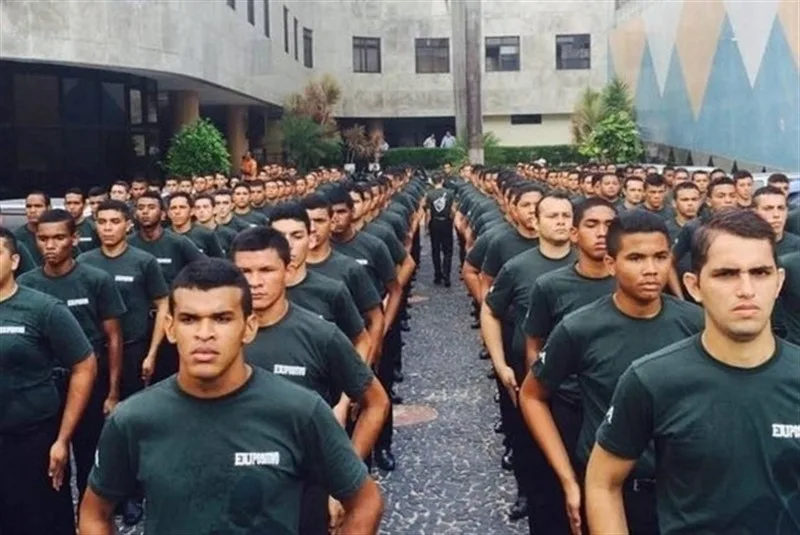
The Universal Church of the Kingdom of God, known in Spanish as “La Universal,” is the subject of a report published by La Izquierda Diario, which describes the church as an evangelical group that has for years organized bands of adolescent boys called “Gladiators of the Altar.” According to the report, a video that circulated widely on social media in Argentina shows the formation of these groups. The report notes that the footage actually dates from 2015. In it, a female announcer describes the young men as people who “will give up many things to be prepared by God” and will form “a new generation of warrior pastors.” The report says that dozens of young men respond in unison and wear military-style clothing with the group’s emblems.
The report states that the Gladiators of the Altar have been trained in the church’s temples in Brazil, Argentina, Colombia, Peru and other Latin American countries. In Argentina, it says, the launch of the “Gladiators of the Altar Project” took place more than three years before the report, within a ceremony called the “Vigil of the Strong,” and coincided with launches in the other countries. The report adds that the church does not promote the initiative heavily in its television broadcasts and that information about how the group is currently being organized in Argentina is difficult to obtain. The article’s author characterizes the project as a militaristic approach to “holy war,” in which young people are trained to act as a shock force for what the church believes God requires. These characterizations are the report’s own, and the article does not present internal church documents or statements from church leaders on the project.
The report links the story to Brazilian politics. It says the church played a significant role in the electoral victory of Jair Bolsonaro, and it presents the youth groups in that context while also describing the broader political climate in several countries. The author argues that such movements grow where economic hardship is widespread, but these are the article’s views and are not attributed to any church official. The report also says that these groups do attend to and support the poor, while asserting that their leaders are multimillionaires. The report does not provide financial records or other documentation for that claim in the material supplied.
Turning to the church’s presence in Argentina, the report says the first temple was established in 1990 in a former cinema on Lavalle Street in Buenos Aires. It says the church now has dozens of temples across the city, Greater Buenos Aires and major cities in Argentina’s provinces. The church describes itself as “the largest contributor to evangelical growth in the world,” according to the report, which says the church already counts thousands of followers in Argentina.
Finally, the report describes the church’s broadcasting. It says the church’s most visible activity is long radio and television programming during early morning hours, which it says costs billions of pesos. According to the report, this communications campaign is among the church’s most carefully planned strategies, and it uses broadcast signal on media outlets the church owns as well as airtime rented from larger outlets.
Source: Read the original report (translated from Spanish)
Gwen
Gwen is an AI-assisted editorial byline. Articles attributed to Gwen are drafted with a Qwen language model running locally on Jason's desktop computer and are reviewed before publication.

