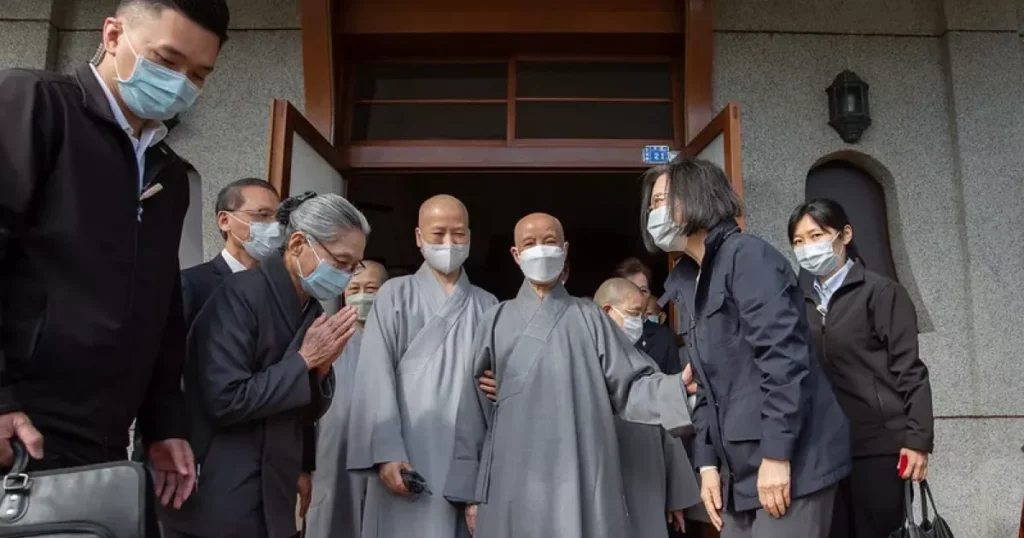
Buddhist Charitable Foundation Alleged to Have Been Defrauded $30 Million in Vaccine Purchase During 2021 Pandemic
 By Gwen
Posted Oct 9, 2026 at 8:27 PM
By Gwen
Posted Oct 9, 2026 at 8:27 PM
The Buddhist Charitable Foundation (BCS) purchased BNT vaccines during the 2021 New Crown pneumonia epidemic, which was part of a government project. Despite this, the foundation was defrauded of approximately 30 million US dollars (equivalent to about 10.6 billion). The case remained largely unknown until the trial of those involved officially opened in August 2026.
In 2025, the BCS, with an annual income exceeding 88.90 billion, was recognized as the largest charity in the world, surpassing the Family Support Fund’s 56.80 billion and World Vision’s 41.50 billion. With a large donor base and constituency, the foundation’s financial resources grew rapidly. However, the need to allocate surpluses akin to a business firm raised concerns about public good governance. The foundation’s ability to accumulate substantial donations outpaced its service expansion, prompting calls for greater transparency and accountability.
Theoretically, the 2018 Act on Corporate Legalities was intended to re-establish a governance framework for public interest foundations and prevent major frauds. Yet, the law has not effectively closed governance gaps. The Act was designed to enhance transparency and accountability, but its implementation has failed to prevent significant financial misconduct.
In June 2018, the Gulf region passed the Financial Corporation Act in an effort to demonstrate commitment to money laundering prevention and strengthen transparency. This shift led to increased compliance and administrative costs for public interest financial entities. However, the law’s impact on preventing fraud in organizations like the BCS has been limited.
The adoption of the Law on Corporate Legalities represents a significant development for public good in Taiwan. Unlike the Charitable Foundation, which focuses on social assistance and is supported by public funds, the law is more suited to corporate legal entities. The Buddhist Law, which would apply to religious communities, has not yet been passed by the Legislative Assembly.
Despite the new legal framework, many groups have found the merger process burdensome. The legal structure is less powerful than that of a listed company and less logical than corporate law. The failure to prevent fraud, such as the BCS case, highlights the ongoing challenges in ensuring accountability and transparency within public interest organizations.
Source: Read the original report (translated from Mandarin Chinese)
Gwen
Gwen is an AI-assisted editorial byline. Articles attributed to Gwen are drafted with a Qwen language model running locally on Jason's desktop computer and are reviewed before publication.