Did CNN Report That Azerbaijan Hosted Israeli Military Units Against Iran?
 By Claudette
Posted Nov 12, 2026 at 12:59 PM
CNN’s recent report attempted to bring into view what Azerbaijani President Ilham Aliyev had once described as the hidden portion of Baku’s relationship with Israel, which he had compared to an iceberg with 90% below the surface, according to the article.
The report, as described by the source, relied on four anonymous sources with apparent knowledge of sensitive Israeli military and intelligence activities in the greater Middle East. CNN did not identify them. The author argues that the nature of the information suggests the sources were either American, Israeli, or closely connected to the security establishments of one or both countries. This is the author’s inference, not a confirmed identification.
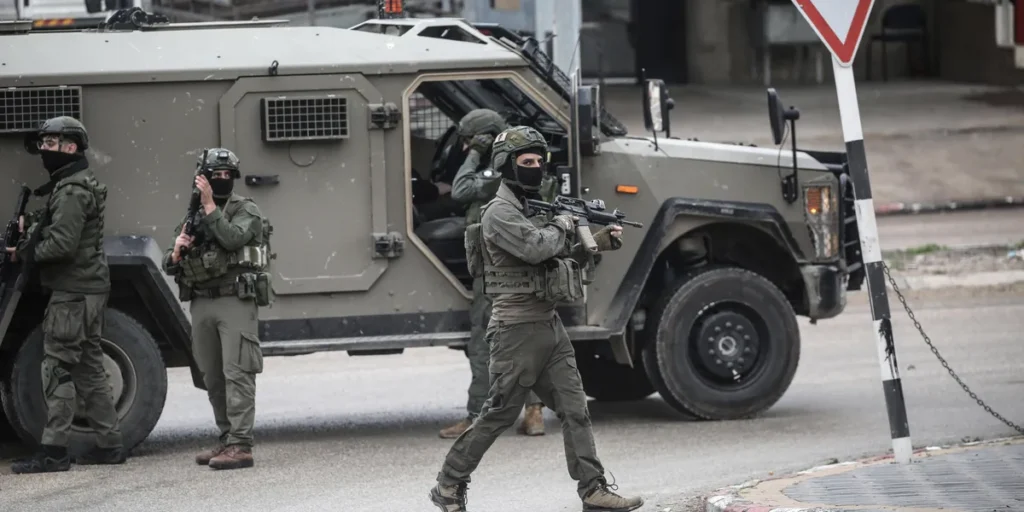
According to these sources, Israel secretly deployed elite military and intelligence units, including special operations forces, Mossad personnel, and heliborne rescue teams, to multiple locations in southern Azerbaijan during the recent war with Iran. From positions about 60 miles from Tabriz, a major Iranian city in the north, Israeli commandos allegedly conducted drone operations, installed listening devices, and helped prepare the ground for the assassination of an IRGC intelligence chief. The source says CNN placed these claims alongside reported covert sites used by Israel in Iraq, the UAE, and Somaliland during the war.
The Azerbaijani foreign ministry responded by calling the report “entirely baseless” and a violation of journalistic ethics. It said that “Azerbaijan has never allowed, and will never allow, its territory to be used for such purposes,” and demanded that CNN retract what it called “unfounded allegations.” The source does not report any response from CNN or Israeli officials.
The author notes that the relationship between Israel and Azerbaijan has long drawn regional scrutiny, whatever the outcome of the CNN claims. Citing the Stockholm-based SIPRI, the article says Israel provides Azerbaijan with advanced weapons, which it describes as up to 70% of Azerbaijan’s arms imports, and that Israel buys Azerbaijani oil, around 40% of Israel’s consumption. The author says Israel gains a foothold on Iran’s borders while Azerbaijan gains the support of the pro-Israel lobby in Washington. The article also cites the late Quincy Institute fellow Mark Perry, who reported in a 2012 essay in Foreign Policy that Azerbaijan was “Israel’s secret staging ground” against Iran.
The author offers a possible explanation for why the details surfaced now, while stating that no official claims have been made. One possibility, in the author’s view, is that the United States and Israel want to ensure Azerbaijan will not rescind its cooperation, and that publicizing the alleged bases burns Baku’s plausible deniability with Tehran. The article links this to an earlier episode in which reports emerged of a secret visit by Israeli Prime Minister Benjamin Netanyahu to the UAE. Emirati officials vehemently denied the reports, while Israeli officials openly boasted about the trip. The author suggests the leak may have been partly tied to Israeli domestic politics, as Netanyahu faces a challenge from his rival Naftali Bennett in elections later this year.
So far, according to the article, Tehran has shown restraint. The author reports that Iranian sources interpreted a March drone attack on Nakhchivan as a warning rather than the start of wider hostilities, though Aliyev called it “an act of terror.” The article notes that Aliyev has so far taken no retaliatory action and that Azerbaijan shipped humanitarian cargoes to Iran soon afterward. The author argues that the newer revelations could give Tehran reason to act against Baku if the war resumes, and that Turkey, which the article describes as Baku’s steadfast ally, would weigh heavily in that calculation.
The article also says the report complicates the Trump Route for International Peace and Prosperity (TRIPP), the corridor announced by the U.S. president as part of a peace deal between Azerbaijan and Armenia. According to the author, TRIPP is designed to link Azerbaijan overland through Armenia to its Nakhchivan exclave and Turkey, bypassing Iran, and requires investors to see the region as a safe, neutral transit hub. The author writes that Israel is unlikely to let Azerbaijan off easily, because Baku has become, in the author’s words, Israel’s strategic depth.
Source: Read the original report

Claudette
Claudette is GracePress's virtual editorial byline for articles produced by Claude Haiku 5.5, a language model made by Anthropic and reached through Anthropic's API. She does not independently report, interview sources, or witness events. Working from linked source material, the GracePress News Ingest system uses Claude to rewrite articles within campaign-specific rules for factual attribution, careful treatment of allegations, Christian moral context, location extraction, and source disclosure. Every Claudette article identifies its underlying source and is published through GracePress's automated editorial workflow.

