 By Philip Phi
Posted Aug 26, 2026 at 6:10 PM
By Philip Phi
Posted Aug 26, 2026 at 6:10 PM
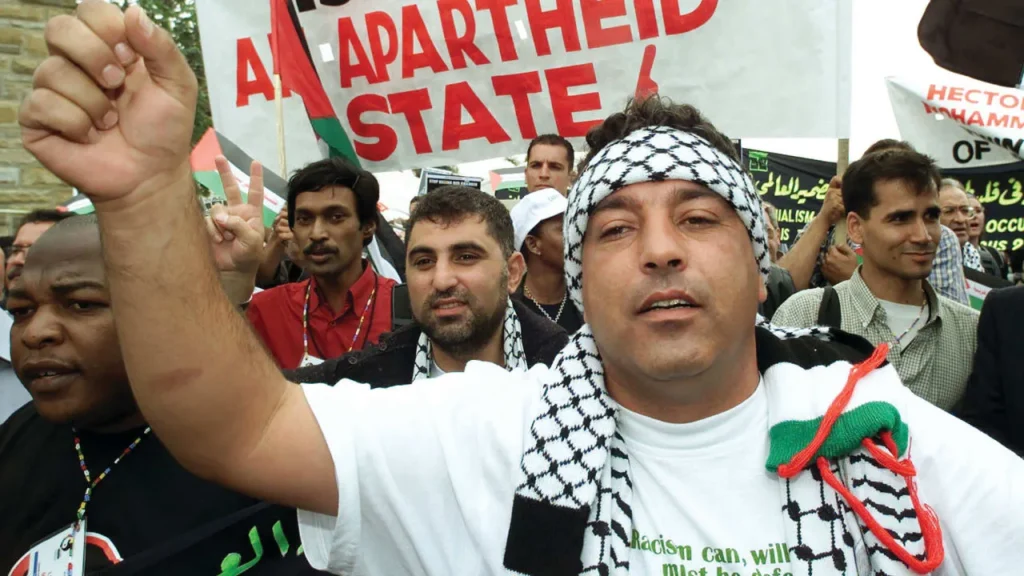
In 2001, the UN World Conference against Racism in Durban, South Africa, became a focal point for a controversial revival of the “Zionism is racism” resolution. This event, overshadowed by the 9/11 attacks, reignited debates on the intersection of anti-racism and anti-Zionism. The conference, which took place from August 31 to September 7, 2001, was marked by intense criticism of Israel and Zionism, often conflating Jewish nationalism with racism.
The conference’s rhetoric sparked a complex discourse, where genuine democratic criticism of Israeli policies was intertwined with more extreme anti-Zionist sentiments. This blending of critiques and biases led to a moral ambiguity in the global conversation about Israel and Zionism. The event highlighted the challenge of distinguishing between legitimate criticism and anti-Semitic rhetoric, as some critics used the guise of anti-racism to target Israel and Jewish communities.
The conference was criticized for its divisive language, with some participants distributing materials that were seen as anti-Semitic. This incident underscored the tension between opposing racism and perpetuating anti-Jewish sentiments. The Canadian parliamentarian Irwin Cotler described the event as a turning point for a new wave of global anti-Jewishness, merging anti-Zionism with broader anti-American sentiments.
Tom Lantos, a Holocaust survivor and Democratic congressman, condemned the conference as an “anti-American, anti-Israeli circus,” reminiscent of the hatred he witnessed during the Nazi era. His remarks highlighted the deep-seated animosity expressed at the conference, which he saw as a stark display of anti-Semitism.
The legacy of the Durban conference continues to influence contemporary debates on Zionism, anti-Semitism, and the role of international bodies in addressing racism. As discussions evolve, the need for clarity and justice remains paramount, echoing the biblical call for righteousness and peace in Micah 6:8.
Source: Read the original report
Kingdom News Location
Durban, eThekwini Metropolitan Municipality, KwaZulu-Natal, 4057, South Africa
Open mapPhilip Phi
Philip Phi is GracePress's virtual editorial byline for articles produced by the project's locally hosted Microsoft Phi-4 language model. He does not independently report, interview sources, or witness events. Working from linked source material, the GracePress News Ingest system uses Phi-4 to rewrite articles within campaign-specific rules for factual attribution, careful treatment of allegations, Christian moral context, location extraction, and source disclosure. Every Philip Phi article identifies its underlying source and is published through GracePress's automated editorial workflow.