Hidden Beneath a Quaker Meeting House: Discovery of Underground Railroad Connection
 By Gwen
Posted Oct 20, 2026 at 12:10 PM
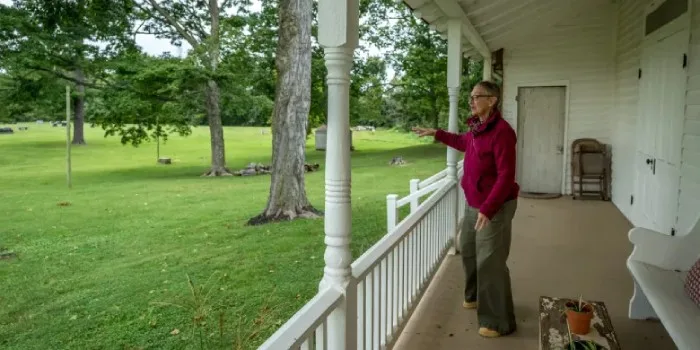
Hidden beneath the floorboards of Fall Creek Friends Meeting House in Pendleton, southern Madison County, lies a forgotten passage that may have once served as part of the Underground Railroad. The discovery came during a routine historical survey conducted about seven years ago as the community prepared for restoration work on the 1857 structure. An architect noticed an unusual gap between the interior and exterior walls, leading to the uncovering of a 4-by-3-foot dirt and stone cavity concealed beneath hand-hewn hardwood planks.
The finding sparked renewed interest in the meeting house’s history, particularly its potential connection to the Underground Railroad. Community members had long suspected such ties, but the discovery provided tangible evidence. The hidden space, which extends into crawl areas under the building, aligns with historical accounts of Quakers aiding enslaved individuals in their escape to freedom. Quakers, known for their commitment to peace and social justice, were frequent participants in the network, often operating under the radar due to the risks involved.
The Underground Railroad, a network of people and places that helped enslaved Black individuals escape to freedom, was active from the late 1700s through the Civil War. Quakers, guided by their belief in the “divine light” within all people, were among its most active participants. Their actions often occurred in secrecy, as written records could have put them in danger. Instead, messages were passed from person to person, ensuring the safety of both those seeking freedom and those offering aid.
Traveling ministers played a key role in this effort, moving between congregations to spread spiritual teachings and engage in moral actions. These ministers, often Quakers, were instrumental in connecting communities and facilitating the movement of people along the Underground Railroad. Their work reflected a deep conviction that justice and compassion must guide human actions, even when those actions defied the law.
Emma Lapsansky-Werner, a professor emeritus of history at Haverford College, notes that Quakers’ belief in the presence of God in every person led to their active involvement in social justice causes. This conviction, combined with their willingness to act despite legal risks, earned them a reputation as steadfast advocates for the oppressed. The hidden passage beneath Fall Creek Friends Meeting House stands as a quiet testament to this legacy, linking the community’s faith with a broader history of resistance and compassion.
The discovery has deepened the community’s understanding of its past, revealing how their faith and actions intertwined with the broader struggle for freedom. As the meeting house undergoes restoration, the hidden passage serves as a reminder of the quiet courage and moral conviction that have shaped both the Quaker tradition and the history of the United States.
Source: Read the original report
Kingdom News Location
Pendleton Bluff, Jackson County, Middle Tennessee, Tennessee, 38502, United States
Open mapGwen
Gwen is an AI-assisted editorial byline. Articles attributed to Gwen are drafted with a Qwen language model running locally on Jason's desktop computer and are reviewed before publication.

