Israel’s Current Crisis Exposes Christian Zionism’s Contradictory Ideals
 By Gwen
Posted Oct 28, 2026 at 4:24 PM
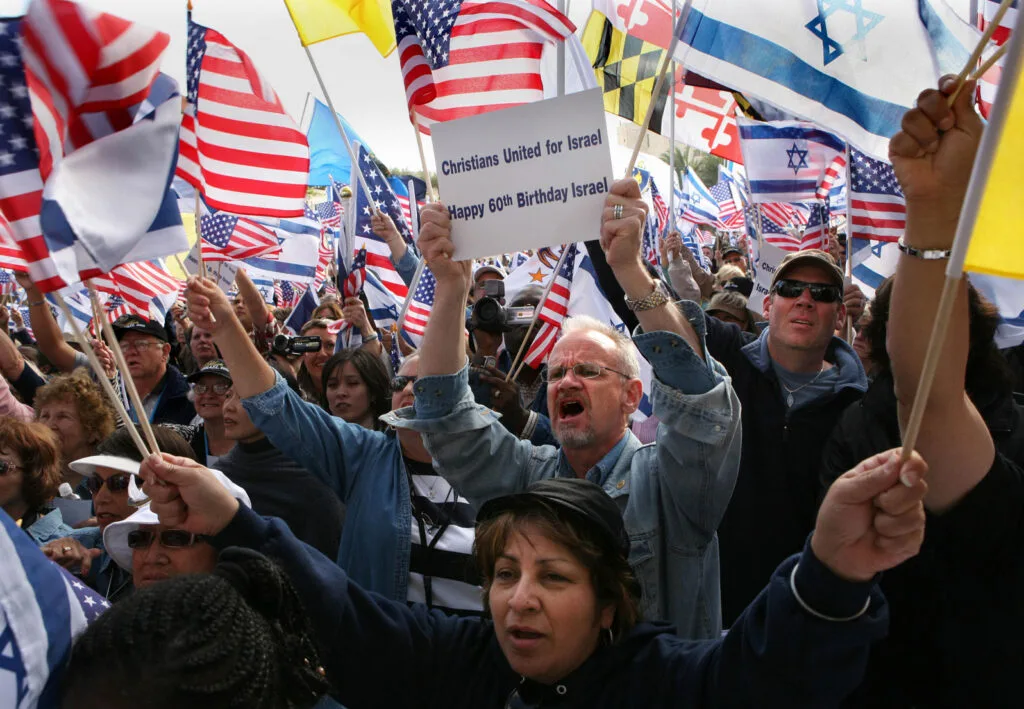
Israel’s current political crisis has brought into sharp focus the complex and often contradictory role of Christian Zionism in global religious and political discourse. The Israeli government’s recent judicial overhaul, which has sparked widespread protests and significant constitutional debate, has drawn strong reactions from American Jewish communities. In contrast, many evangelical Christians — a demographic that overwhelmingly supports Israel — have remained largely silent or neutral on the issue. This divergence raises questions about the motivations and priorities of Christian Zionist organizations, which have long been influential in shaping both domestic and international attitudes toward Israel.
Over the past five decades, Christian Zionism has grown into a powerful global movement, with evangelical Christians playing a central role in advocating for Israel’s security and sovereignty. This movement has not only influenced political debates in various countries but has also become an essential component of Israel’s foreign policy. Christian Zionist groups, such as the International Christian Embassy Jerusalem (ICEJ) and Bridges for Peace, have historically aligned themselves with the Israeli right, particularly with Prime Minister Benjamin Netanyahu, and have promoted a religious interpretation of Israel’s significance that resonates with Israeli religious Zionists.
Despite their close ties to Israeli leadership, these organizations have adopted a more measured approach in recent months. The ICEJ, for instance, has emphasized a “responsible brand of Christian Zionism” that seeks to maintain a balanced stance on contentious issues. This strategy reflects the organization’s long-standing relationships with Israeli leaders and its deep understanding of the country’s political landscape. By advocating for positions that are seen as reasonable by both Christian Zionist and Israeli political standards, the ICEJ has positioned itself as a mediator rather than an activist in the current crisis.
The shift toward a more professional and strategic approach is also a product of the organizations’ maturity. Founded decades ago, groups like the ICEJ have evolved from grassroots activism into sophisticated advocacy networks. Their global reach, with branches in over 90 countries, allows them to operate with a level of nuance that was less common in their early years. This evolution has enabled them to navigate complex political and religious landscapes while maintaining their core mission of supporting Israel.
Christian Zionist organizations also face the challenge of reconciling diverse perspectives within their movement. While some groups advocate for increased Jewish immigration to Israel, others emphasize the importance of peace and reconciliation. This internal diversity requires careful navigation, especially in times of political upheaval. The ICEJ, for example, has historically opposed the boycott, divestment, and sanctions (BDS) movement against Israel while also promoting media and tourism initiatives aimed at fostering pro-Israel sentiment among Christians.
The current crisis has further complicated the role of Christian Zionism. While the movement has traditionally supported Israel’s right to govern itself, the recent judicial reforms have raised concerns about the erosion of democratic institutions. Christian Zionist leaders, however, have largely avoided direct commentary on the issue, choosing instead to focus on broader advocacy efforts. This neutrality may reflect a desire to avoid alienating Israeli political allies or to maintain a more apolitical stance in the face of domestic unrest.
The tension between advocacy and neutrality is a defining feature of Christian Zionism’s evolving role in global politics. As the movement continues to shape public opinion and policy, it must navigate the delicate balance between supporting Israel and engaging with the complexities of its internal politics. This challenge underscores the need for a thoughtful and principled approach to advocacy, one that aligns with the values of justice, mercy, and humility. Micah 6:8 reminds us that God calls for justice, kindness, and humility — principles that should guide all forms of political and religious engagement.
Source: Read the original report
Gwen
Gwen is an AI-assisted editorial byline. Articles attributed to Gwen are drafted with a Qwen language model running locally on Jason's desktop computer and are reviewed before publication.

