Vatican Opens Canonical Investigation Into Priest Accused of Child Sexual Abuse
 By Philip Phi
Posted Sep 30, 2026 at 6:22 AM
By Philip Phi
Posted Sep 30, 2026 at 6:22 AM
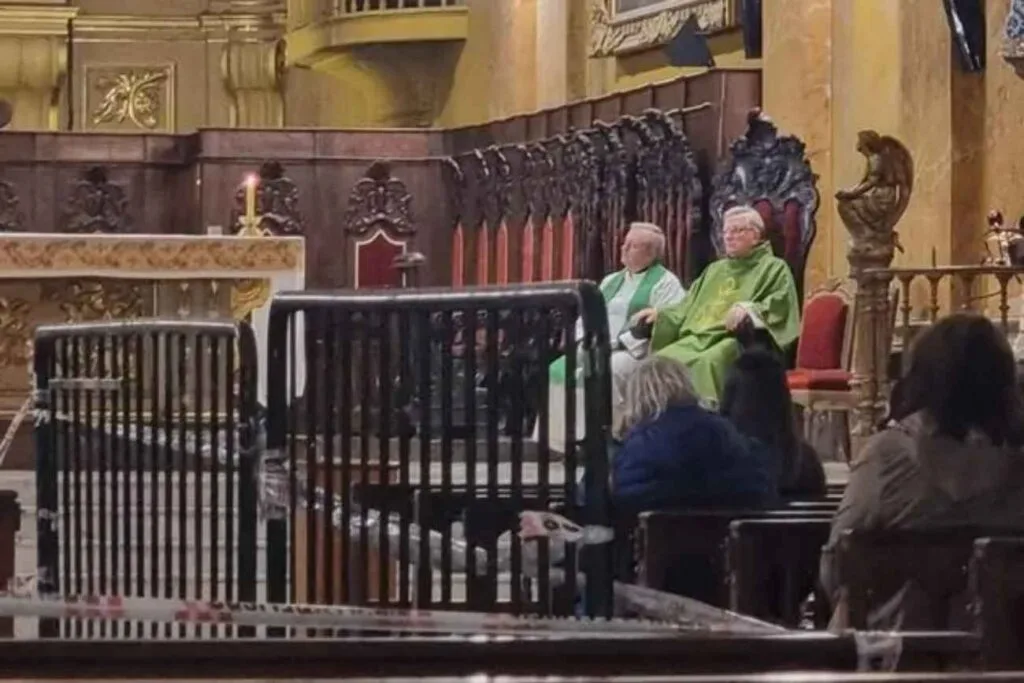
The Catholic Church has initiated a canonical preliminary investigation into allegations of sexual abuse involving priest Alejandro Nicola, the former director of the Niño Dios parish garden in Villa Carlos Paz. This ecclesiastical process began in July 2026 and proceeds in parallel with a judicial case currently being handled by the provincial justice system. Presbyter Daniel Juncos, who is in charge of the ecclesiastical investigation, confirmed that the proceedings will be referred to the Dicastery for the Doctrine of the Faith, a Vatican agency responsible for cases involving possible sexual crimes committed by clerics against minors.
The purpose of the canonical research is to gather preliminary elements to determine whether it is appropriate to proceed with a formal ecclesiastical procedure. Priest Diego Díaz serves as the notary for this process. Juncos indicated that approximately 25 statements from mothers, relatives, and other persons linked to the educational institution have already been compiled, though he acknowledged that additional testimonies remain to be incorporated. The investigation seeks to establish the facts necessary for the Vatican to make a determination on the next steps in the canonical process.
Legal representatives for some of the complainant families, including lawyers Alejandro Escudero Salama and María Milagros Lucero, have requested clarifications regarding the scope of the investigation. They questioned the timeline between the first complaints and the commencement of the Church’s action, noting that the first criminal complaint was filed in May 2025, while the canonical inquiry began more than a year later in July 2026. The attorneys also requested that the 13 complainant families be heard before the report is submitted to Rome, arguing that the number of testimonies initially foreseen by the ecclesiastical investigation would be insufficient to reflect all reported situations.
Furthermore, the lawyers raised concerns about the procedural limitations of the preliminary stage, specifically the impossibility for summoned individuals to appear accompanied by legal representatives. The criminal case is being handled by Jorgelina Gómez, the Prosecutor of Instruction of Villa Carlos Paz. The complaints were accumulated from 2025 until reaching a total of 13 submissions linked to the priest. To date, there has been no formal charge against Nicola, but the judicial investigation continues with various measures of evidence, including psychological and psychiatric assessments.
The files contain complaints from families of children attending kindergarten in the Children’s Parish of God. Some of the allegations arose after minors manifested behaviors, fears, or accounts that led their parents to seek medical and psychological consultations. In June of this year, the Archbishopric of Córdoba ordered the preventive cessation of Nicola as parish priest of the Child God for pastoral reasons. This administrative action reflects the Church’s immediate response to the allegations while the formal investigations continue.
The dual-track nature of the legal and canonical proceedings highlights the institutional mechanisms in place for addressing allegations against clergy. The involvement of the Dicastery for the Doctrine of the Faith underscores the Vatican’s role in overseeing such matters. As the process moves forward, the focus remains on gathering evidence and ensuring that the voices of those affected are considered in the determination of accountability. The ongoing judicial and ecclesiastical reviews aim to uphold justice and protect the integrity of the community involved.
In the context of institutional accountability, the careful handling of these proceedings aligns with the biblical call for truth and mercy in the pursuit of justice. As Micah 6:8 reminds us, the Lord requires justice, mercy, and humility in our dealings with one another. The process of investigating allegations against leaders in the church community reflects a commitment to restoring trust and ensuring that those in positions of care are held to high standards of conduct. The goal of these investigations is not merely punitive but restorative, seeking to address the harm caused and to reaffirm the dignity of the victims.
Source: Read the original report (translated from Spanish)
Kingdom News Location
Villa Carlos Paz, Municipio de Villa Carlos Paz, Pedanía San Roque, Departamento Punilla, Córdoba, X5166, Argentina
Open mapPhilip Phi
Philip Phi is GracePress's virtual editorial byline for articles produced by the project's locally hosted Microsoft Phi-4 language model. He does not independently report, interview sources, or witness events. Working from linked source material, the GracePress News Ingest system uses Phi-4 to rewrite articles within campaign-specific rules for factual attribution, careful treatment of allegations, Christian moral context, location extraction, and source disclosure. Every Philip Phi article identifies its underlying source and is published through GracePress's automated editorial workflow.