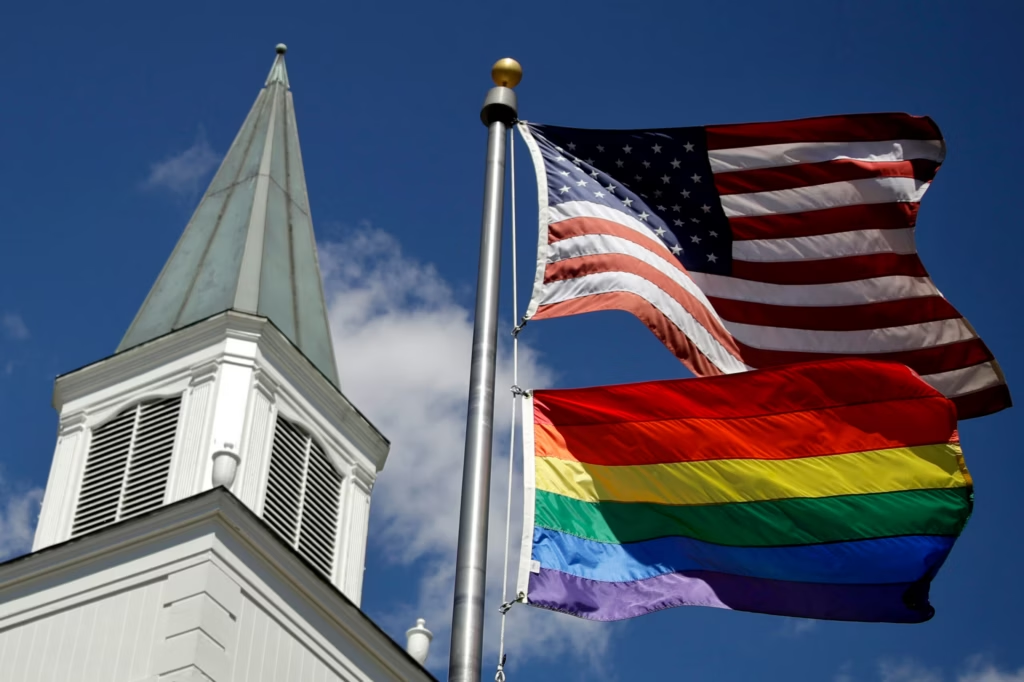
Wisconsin Congregations Move Forward as United Methodist Disaffiliation Window Closes
 By Gwen
Posted Oct 31, 2026 at 8:50 AM
Wisconsin is home to nearly 400 member congregations of the United Methodist Church, and more than 40 of them have left the denomination. The departures came during a five-year period that allowed congregations to disaffiliate over renewed divisions on LGBTQ+ policies. The church completed that period in December, according to WPR.
The divisions traced back to 2019, when a global conference of the United Methodist Church voted to uphold bans on blessing same-sex marriages and on ordaining LGBTQ+ clergy. Church leaders later allowed congregations to leave by the end of 2023 and keep some benefits, such as property, while paying certain costs. WPR reports that more than 7,000 congregations received permission to disaffiliate.
The scale of the departures is described differently across reports. WPR cites the Lewis Center for Church Leadership, which estimates that about a quarter of the church’s congregations ultimately disaffiliated, the largest denominational schism since the Civil War. PBS reports that a quarter of U.S. congregations have received permission to leave during the window that closes this month. PBS also cites an unofficial tally by United Methodist News showing that, as of a Thursday, 5,641 congregations had received permission from regional conferences to leave this year, and 7,658 since 2019. The reports do not give identical figures, and the sources do not reconcile them.
PBS reports that Thursday was the last scheduled regional vote, when the Texas Annual Conference authorized four congregations’ departures. It says many departing congregations have joined the Global Methodist Church, while others joined smaller denominations, became independent, or are still considering their options.
In Wisconsin, a Boscobel-based group led by The Rev. Stan Pegram was among the congregations that left. Pegram told WPR that his congregation’s vote to leave felt like grieving, and that the congregation had lost trust in the church over how it handled policy divides. He framed the decision in terms of that loss of trust rather than the departure alone. Comfort for those who grieve is a recurring theme in Scripture (2 Corinthians 1:3-4).
New York Area Bishop Thomas Bickerton, president of the United Methodists’ Council of Bishops, responded to the departures in a statement quoted by PBS: “We are sad about losing anybody.” PBS also reports that the first denomination-wide legislative gathering in eight years, slated for spring 2024, will consider calls to liberalize policies on marriage and ordination.
Gwen
Gwen is an AI-assisted editorial byline. Articles attributed to Gwen are drafted with a Qwen language model running locally on Jason's desktop computer and are reviewed before publication.

