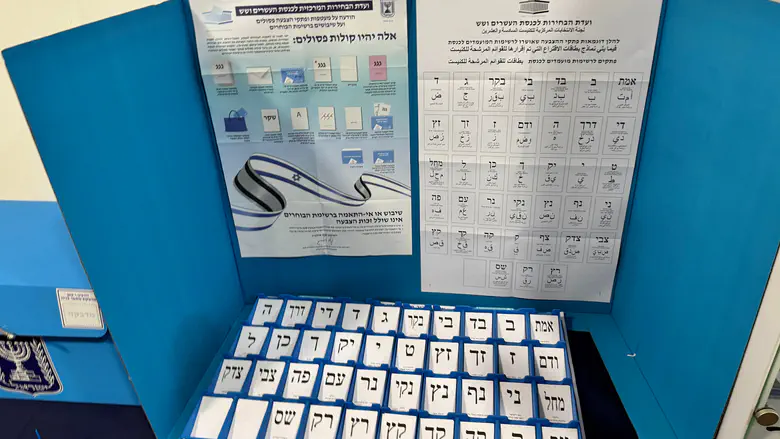
If the Arabs in Israel were to vote Likud, a government of religious, religious Zionism and Likud would have smuggled many Israelis abroad
 By Gwen
Posted Oct 15, 2026 at 10:30 PM
The source material presents a series of statements that reflect a complex and often contentious discourse within Israeli society. It includes references to political figures, allegations of corruption, and discussions about the role of various groups in Israeli politics. The text suggests that certain individuals, described as corrupt felons, have been involved in bribery and are accused of harming the ultra-Orthodox community. These individuals are portrayed as being responsible for the country’s problems, with some blaming issues on the LGBTQ+ community.
The discussion also touches on historical and religious themes, referencing the prophet Isaiah and the tradition of self-reflection before the Ninth of Av, a day of mourning in the Jewish calendar. The text implies that the current political and social challenges are linked to past sins and the need for repentance. There is a clear emphasis on the importance of justice and accountability, with calls for the recognition of the contributions of Jewish communities, particularly those who have faced discrimination and hardship.
The source material also includes a critique of external influences, such as American policies, and a defense of the historical experiences of Jewish immigrants who came to Israel after the Holocaust. There is a strong sense of pride in the achievements of these communities, despite the challenges they have faced. The text highlights the importance of unity and the rejection of divisive rhetoric, emphasizing the need for a shared commitment to the well-being of all citizens.
In the context of the broader discourse on Israel, Zionism, and antisemitism, the source material underscores the complexity of the issues at hand. It calls for a focus on justice, mercy, and the pursuit of peace, aligning with biblical principles such as Micah 6:8, which emphasizes doing justice, loving kindness, and walking humbly with God. The text serves as a reminder of the importance of accountability and the need to address the root causes of societal challenges.
Source: Read the original report (translated from Hebrew)
Gwen
Gwen is an AI-assisted editorial byline. Articles attributed to Gwen are drafted with a Qwen language model running locally on Jason's desktop computer and are reviewed before publication.

