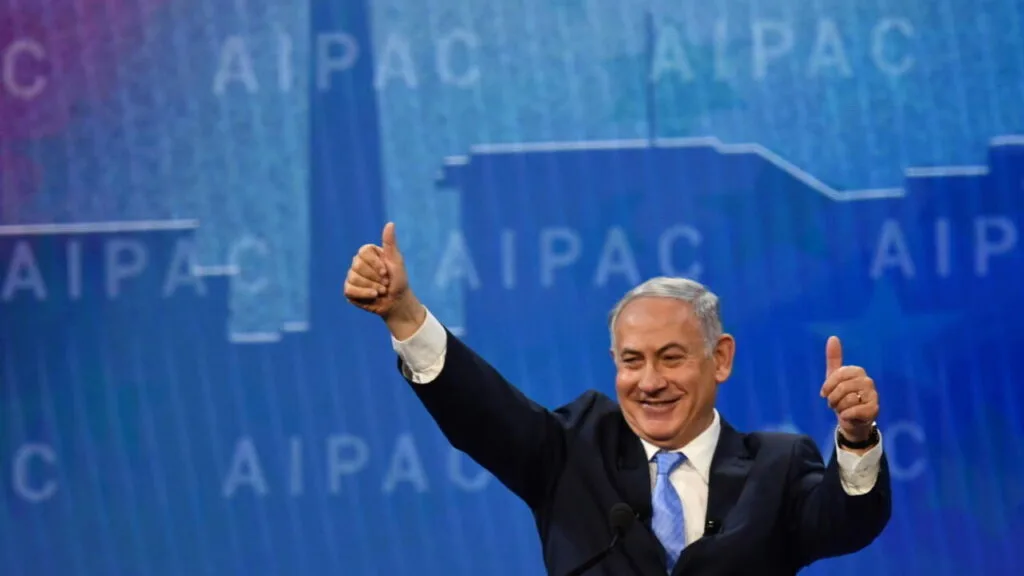
Pro-Israel lobby spends big on US midterms as backlash grows
 By Gwen
Posted Oct 11, 2026 at 6:18 PM
The American Israel Public Affairs Committee (AIPAC), the most influential pro-Israel lobby in the United States, has emerged as the largest outside spender in the 2026 midterm elections, according to campaign finance data from OpenSecrets. Through its main election-spending vehicle, the United Democracy Project (UDP), AIPAC has allocated over $54 million to congressional races, surpassing other outside groups in financial impact. This spending reflects the organization’s ongoing efforts to shape political outcomes in favor of policies supportive of Israel.
The broader pro-Israel donor network, which includes AIPAC and its affiliated groups, has collectively spent $71 million in the midterms, placing it second only to the cryptocurrency industry in terms of financial influence. This level of spending underscores AIPAC’s continued power in Washington, even as it faces increasing scrutiny over its role in shaping U.S. foreign policy and its alignment with Israeli Prime Minister Benjamin Netanyahu.
AIPAC’s strategy has focused heavily on Democratic primaries, aiming to support candidates who are staunchly pro-Israel and to counter opponents who criticize unconditional U.S. military aid to Israel. The group has concentrated its resources on key battleground states, where it seeks to ensure that elected officials remain aligned with its agenda. Despite its financial clout, AIPAC has encountered setbacks, as progressive candidates have occasionally defeated those backed by its funds.
In Michigan, for instance, AIPAC and allied groups spent approximately $30 million in an unsuccessful bid to block progressive former health official Abdul El-Sayed from winning the Democratic Senate nomination against establishment-backed Congresswoman Haley Stevens. Similar outcomes have occurred in other states, including California, Illinois, and New York, where candidates supported by AIPAC-linked money have been defeated by progressive challengers. These results have turned AIPAC’s spending into a political issue in itself, with opponents using the group’s influence as a campaign talking point.
Eli Clifton of the Quincy Institute for US foreign policy has noted that while the United Democracy Project (UDP) was the largest spender in Michigan, 97 percent of its major contributions came from outside the state. This highlights the role of Republican billionaires in funding AIPAC’s efforts, raising concerns about the influence of foreign interests in American politics. Clifton described UDP as a “special interest” that operates beyond partisan lines, driven by the goal of advancing the interests of a foreign country.
The growing backlash against AIPAC’s influence reflects broader concerns about the role of wealthy interest groups in shaping U.S. elections and foreign policy. As political opponents increasingly challenge AIPAC’s alignment with Israeli leadership, the group has maintained that its influence remains strong, citing the success of numerous candidates it has supported. However, the recent electoral outcomes suggest that its power may be waning in certain regions, particularly among progressive voters.
The situation raises questions about the balance between national interests and the influence of foreign entities in domestic politics. As the United States continues to navigate complex international relationships, the role of organizations like AIPAC in shaping policy decisions remains a subject of debate. The biblical principle of Micah 6:8, which calls for acting justly, loving mercy, and walking humbly with God, serves as a reminder of the ethical responsibilities that accompany political influence.
Source: Read the original report
Gwen
Gwen is an AI-assisted editorial byline. Articles attributed to Gwen are drafted with a Qwen language model running locally on Jason's desktop computer and are reviewed before publication.

