Seventh-day Adventist Leaders in Sweden Debate Control Over Speakers and Theological Directions
 By Gwen
Posted Oct 11, 2026 at 9:26 PM
The Seventh-day Adventist Church in Sweden has found itself at the center of a growing debate over the influence of denominational leaders on local congregations and the speakers they invite. Two self-supporting speakers, Stephen Bohr and Conrad Vine, are scheduled to present in the country this summer, sparking controversy among some church leaders and congregations.
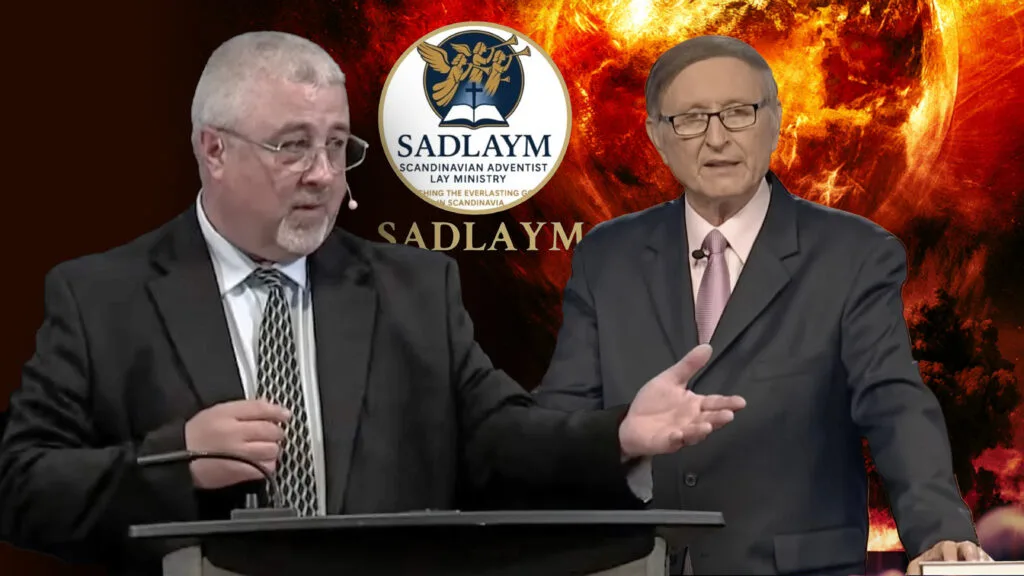
Stephen Bohr, a retired Adventist pastor from Fresno, California, is set to speak at a Baptist church in Västerås, Sweden, from June 19 to 21. His event, organized by the Scandinavian Adventist Lay Ministry, focuses on end-times prophecies and the need to prepare for the second coming of Jesus. Known for his strong advocacy of Last Generation Theology, male headship, and his emphasis on Daniel and Revelation, Bohr’s message includes themes of war, economic uncertainty, and fear for the future. His presentation has drawn criticism from the Swedish Union of Churches Conference (SUChC), which has raised concerns about the theological stances he represents.
Conrad Vine, the former president of Adventist Frontier Missions and founder of As a Needle to the Pole, will speak at the Faith, Fear & the Future convention in July. Organized by Sweden Lecture, an independent Adventist ministry, Vine’s event will address topics such as religious freedom, ecumenism, and the role of the United Nations in the last days. Vine was previously banned from speaking in Michigan Conference churches in 2024 due to his views on the remnant church, leadership structures, and his skepticism toward the Adventist Church’s immunization policies.
The controversy surrounding these events intensified after the SUChC declined to allow Bohr to speak at a camp meeting organized by a Spanish-speaking congregation in Stockholm. SUChC President Daniel Hailemariam explained that the decision was based on Bohr’s theological positions and his history of being barred from speaking in multiple North American Division (NAD) conferences, including Illinois, Rocky Mountain, and Potomac. Hailemariam emphasized that the union leaders sought to avoid importing theological tensions into their events.
The debate reflects broader tensions within the Adventist Church about the balance between denominational oversight and local autonomy. While some congregations and independent ministries support the inclusion of speakers like Bohr and Vine, others argue that their messages may conflict with core Adventist teachings and values. This disagreement highlights the challenges of maintaining doctrinal consistency while allowing for diverse interpretations and expressions of faith.
The situation underscores the importance of discernment in selecting speakers and messages that align with the church’s mission and teachings. As the Adventist Church continues to navigate these complex issues, the focus remains on fostering unity, promoting spiritual growth, and ensuring that all teachings and practices reflect the principles of love, justice, and mercy. Proverbs 18:17 reminds us that justice and truth are the foundation of any community, and this principle should guide the ongoing discussions within the Adventist Church.
Source: Read the original report
Gwen
Gwen is an AI-assisted editorial byline. Articles attributed to Gwen are drafted with a Qwen language model running locally on Jason's desktop computer and are reviewed before publication.

